

Expert Input: Dr. Haripriya, Senior Consultant, ENT
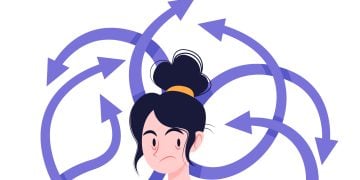
Giddiness or vertigo in children is a complex and often under-recognised condition that requires a nuanced approach distinct from that used for adults. “Treating children are not like treating small adults,” says Dr. Haripriya, senior consultant, department of ENT, at Kauvery Hospital, Vadapalani, Chennai underlining the importance of paediatric-specific guidelines in diagnosing and treating vestibular disorders. One of the primary challenges in evaluating giddiness in children lies in their limited ability to articulate symptoms. Older children may describe feelings of unsteadiness or a spinning sensation, but younger ones often express discomfort through non-verbal cues—falling, holding on to a caregiver, or experiencing nausea and vomiting. In such cases, careful parental observation becomes essential.
The most common vestibular disorders in children include vestibular migraine of childhood, probable vestibular migraine, and recurrent vertigo of childhood. Other notable causes include BPPV (Benign Paroxysmal positional Vertigo) and Meniere’s disease. Unlike adults, where vestibular migraine may be associated with headaches, children might instead report stomach aches or display symptoms of cyclical vomiting. Dr. Haripriya also notes that systemic issues like anaemia, neurological or congenital problems can underlie episodes of giddiness.
ENT-related conditions are significant contributors as well. Acute otitis media, a common ear infection, can lead to fluid accumulation in the middle ear. The resulting bacterial toxins may disrupt balance and cause vertigo. Other ENT-related conditions like BPPV or Childhood Meniere’s disease, and even anatomical abnormalities in the inner ear, are potential culprits that warrant evaluation.
Diagnosis in children primarily relies on a thorough history and physical examination. Information about family history, developmental milestones, and audiological assessments provide vital clues. In a clinical setting, involving the child in simple activities such as jumping or catching a ball can help observe balance and coordination. When possible, age-appropriate balance assessment tests are conducted, depending on the child’s cooperation.
Treatment strategies vary depending on the diagnosis. Conditions like vestibular migraine often respond well to medication. Others benefit from vestibular rehabilitation exercises designed like playful games that focus on gaze stabilisation, sensory and motor development. These exercises are only introduced after a thorough developmental assessment, ensuring they are tailored to the child’s capabilities.
Diet and lifestyle also play a crucial role. For instance, in cases of vestibular migraine, dietary triggers such as chocolate, processed foods, bakery items, and caffeine should be avoided. Ensuring adequate hydration and maintaining a balanced, nutritious diet are foundational to both prevention and management.
In a school or play setting, parents and teachers need to be aware of potential triggers. Children should have regular meals and adequate fluid intake. During extended physical activity, hydration is essential, as dehydration and fluctuations in blood pressure or heart rate can lead to dizziness. The use of protective headgear is recommended in sports with a high risk of collisions or falls, as brain concussions are also a possible cause of giddiness.
Managing paediatric giddiness is a holistic process. “We have to treat the child and the family as a whole,” emphasises Dr. Haripriya. A multi-disciplinary approach often includes collaboration with paediatricians to assess overall development, neurologists or cardiologists when needed, and in some cases, child psychologists to address associated behavioural or emotional concerns. Early recognition and appropriate intervention can significantly improve outcomes and quality of life for children experiencing giddiness.