
Across India, the arrival of a newborn is celebrated in deeply personal and culturally distinct ways. While rituals, customs, and ceremonies may differ from one region to another, one tradition quietly connects households across the country — the postpartum kitchen. From nourishing porridges and herbal preparations in the South to rich restorative foods in the North, communities across India have long believed that food plays a central role in helping a new mother recover after childbirth.
In North Indian households especially, postpartum care is closely tied to a tradition of preparing jachcha ke vyanjan — special foods made specifically for women after delivery. These meals are far more than everyday dishes. Carefully prepared by mothers, grandmothers, and older women in the family, they are designed to restore strength, improve digestion, support lactation, and provide warmth and comfort during the physically demanding postpartum phase.
Every preparation has a purpose, every spice carries significance, and every recipe reflects generations of lived wisdom passed quietly from one kitchen to another.
Yet, many of these traditional foods are slowly disappearing. In an age increasingly dependent on packaged supplements and ready-made health products, several postpartum recipes are fading from everyday memory. Still, many families continue to believe that these foods carry not just nourishment, but generations of lived wisdom and care.
One of the earliest preparations traditionally given after childbirth is peepal (long pepper). During the first week after delivery, the long pepper is soaked overnight and freshly ground each morning. A little salt is added before it is lightly heated and served warm to the new mother. The quantity gradually decreases over seven days — beginning with nine long peppers on the first day and slowly reducing to one by the seventh day. Elders have long believed that this gradual process helps improve digestion and supports recovery after childbirth.
Another familiar preparation in many households is peepal ke sev — a crispy savoury snack made using long pepper and moong dal. The dal and pepper are soaked overnight, ground separately, mixed with asafoetida and salt, and then fried gently in hot ghee until golden and crisp. Often served alongside tea, these are considered both nourishing and easy on digestion.
Among the most valued ingredients in postpartum kitchens is sont (dry ginger), prized for its warming nature. It appears in several forms — sont churna (dry ginger digestive powder), sont katli (dry ginger fudge), sont ki tikki (savoury dry ginger patties), and paag (a sweet preparation made with sugar syrup). Families have traditionally believed that dry ginger helps restore warmth, improve digestion, and protect the body from seasonal imbalances after delivery.
Sont churna is usually made by roasting dry ginger in desi ghee or mustard oil and mixing it with black salt, plain salt, and roasted asafoetida. A small spoonful is often eaten with khichdi. sont katli, meanwhile, resembles a medicinal sweet — made by slowly cooking dry ginger powder with sugar syrup until it thickens enough to be spread and cut into pieces.
Then there is sont ki tikki — small savoury patties made from dry ginger powder, salt, asafoetida, and water, kneaded into dough and fried in desi ghee. In many homes, these would replace packaged snacks entirely during the postpartum period.
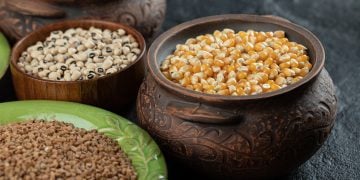
Another cherished preparation is kootu ki poori (buckwheat flour pooris). Softer and lighter than regular pooris, they are prepared carefully so they remain easy to digest. They are often paired with mild potato sabzi or warm kheer.
Perhaps the most elaborate and emotionally significant of all postpartum dishes is harira — a rich restorative porridge-like preparation slow-cooked with dry fruits, makhana (fox nuts), melon seeds, chironji, coconut, ajwain (carom seeds), jeera (cumin), turmeric, dry ginger, and generous amounts of desi ghee.
Making harira is almost a ritual in itself. Ingredients are soaked, roasted patiently, ground carefully, and cooked slowly until they turn into a thick, nourishing mixture sweetened with jaggery or sugar.
“Harira is not just food,” elderly women often say softly. “It is medicine prepared in the kitchen.”
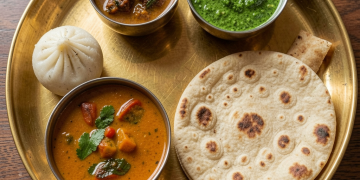
Postpartum care in traditional households also meant observing certain food restrictions. New mothers were often advised to avoid parathas or overly heavy meals for at least a month. Instead, softer rotis and pooris prepared with ajwain, fennel, cumin, and wheat flour were preferred to support digestion and healing.
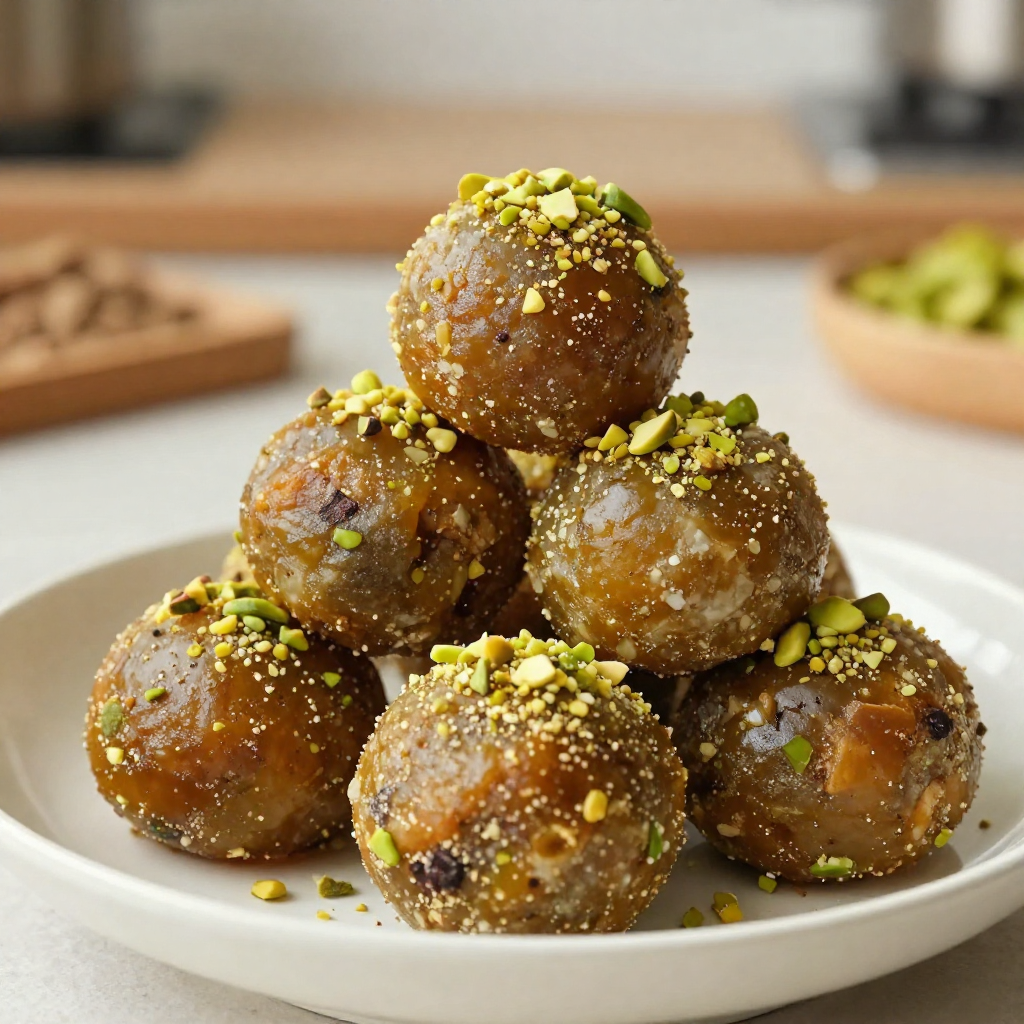
Another preparation lovingly made in large batches is meve ka laddoo (dry fruits ladoo). Rich with nuts, wheat flour, desi ghee, boora sugar, chironji, raisins, coconut, melon seeds, and dried fruits, these ladoos are considered deeply nourishing and energy-rich. In many homes, they are given daily to the new mother to help rebuild strength and warmth after childbirth.
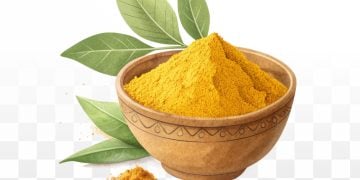
Turmeric-based preparations too hold a special place in postpartum recovery. Fresh turmeric is soaked, dried over several days, and later cooked with ghee, cumin, ajwain, and black pepper to create healing mixtures believed to reduce inflammation and strengthen the body from within.
Underlying all these recipes is a larger philosophy — that postpartum recovery deserves time, warmth, rest, and gentle nourishment. Traditional households have long recognised childbirth not merely as a medical event, but as a profound physical and emotional transformation requiring sustained care.
Today, even as lifestyles and healthcare systems evolve, interest in traditional postpartum foods is quietly returning. Young mothers increasingly reach out to grandmothers for forgotten recipes, while nutritionists too are revisiting many of these ingredients for their digestive and anti-inflammatory benefits.
In many families, these recipes survive not in printed cookbooks, but in memory — in old handwritten notebooks stained with ghee, in conversations between mothers and daughters, and in kitchens where ancient wisdom still simmers slowly over low flames.
For generations of women, jachcha ke vyanjan were never just meals. They were acts of healing, protection, love, and intergenerational care — served warm, often silently, in steel bowls beside a resting mother and her newborn child.