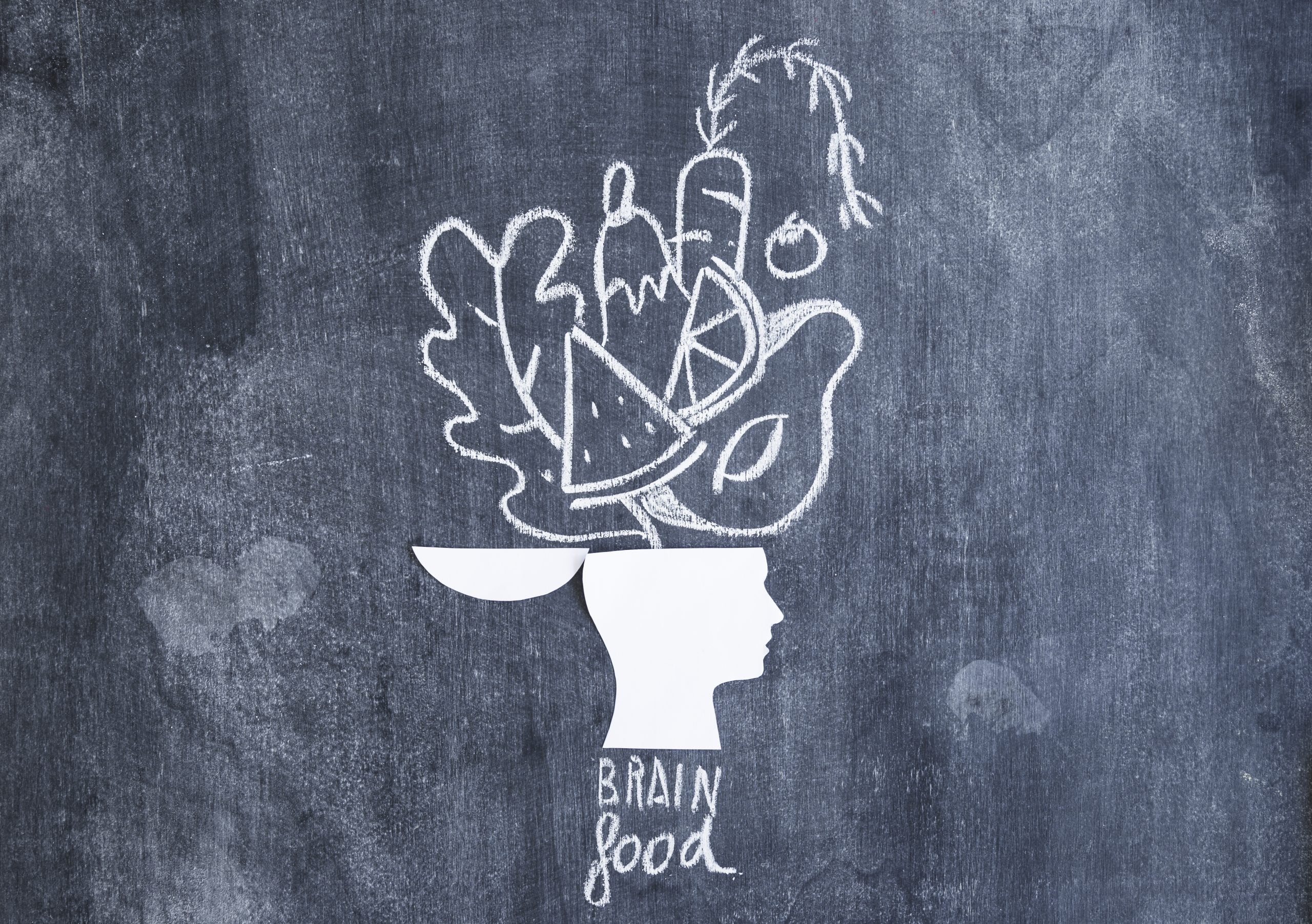
As the saying goes, “You are what you eat.” While this is often associated with physical health and appearance, science now tells us that it applies equally to the brain. Every bite we take influences the structure and function of the brain, affecting memory, concentration, learning ability, mood and even the risk of developing neurological disorders. With growing awareness around preventive healthcare, an increasing body of research has established that nutrition is one of the most powerful, yet often overlooked, determinants of brain health.
“Diet undoubtedly affects brain health,” says Dr Shubha Subramanian, a Chennai-based senior neurologist. “Eating fruits, vegetables and a moderate quantity of nuts provides essential vitamins, minerals and antioxidants that protect brain cells from oxidative stress and support normal cognitive function.”
Scientific evidence from some of the world’s leading research institutions reinforces this view. Researchers at the Harvard T.H. Chan School of Public Health have consistently found that diets rich in fruits, vegetables, whole grains, legumes, nuts, healthy fats and lean proteins are associated with better cognitive performance and a slower rate of age-related cognitive decline. Likewise, studies published in The Journal of Nutrition have shown that omega-3 fatty acids, particularly DHA found in fatty fish such as salmon, sardines and mackerel, are associated with improved memory, learning and a lower risk of dementia. Since nearly 60 per cent of the brain is composed of fat, these essential fatty acids play a critical role in maintaining healthy brain cell membranes and efficient communication between neurons.
One of the most exciting developments in neuroscience is the understanding of the gut-brain axis—the intricate two-way communication network between the digestive system and the brain. Research from Johns Hopkins University and several other institutions has shown that the trillions of microbes residing in the gut influence mood, behaviour and cognition by producing neurotransmitters, regulating immunity and controlling inflammation. Studies published in the journal Neurology suggest that improving gut health through a fibre-rich, balanced diet may help reduce symptoms of anxiety and depression, further highlighting the importance of food beyond physical nourishment.
Inflammation has also emerged as a major contributor to neurodegenerative diseases such as Alzheimer’s disease and Parkinson’s disease. According to studies supported by the National Institutes of Health (NIH), diets high in refined sugars, processed foods, unhealthy fats and ultra-processed snacks trigger chronic low-grade inflammation throughout the body, including the brain. On the other hand, the Mediterranean diet, rich in olive oil, vegetables, fruits, legumes, fish, whole grains and nuts, has repeatedly been linked with lower inflammation, better cognitive performance and a reduced risk of dementia.
Another crucial factor is blood sugar regulation. The brain consumes nearly one-fifth of the body’s energy despite accounting for only about two per cent of body weight. Research published in The New England Journal of Medicine has shown that persistently elevated blood glucose damages blood vessels supplying the brain and significantly increases the risk of cognitive impairment and dementia. Diets that minimise refined carbohydrates and added sugars while emphasising complex carbohydrates, proteins and healthy fats help maintain steady glucose levels, ensuring a continuous supply of energy to the brain.
Research from Harvard Medical School has also identified specific foods that appear particularly beneficial for brain health. Blueberries and other berries, rich in flavonoids and antioxidants, have been shown to improve memory and delay cognitive ageing. Leafy green vegetables supply folate and vitamin K, both important for cognitive function. Nuts, especially walnuts, provide healthy fats and vitamin E, which protect brain cells against oxidative damage. Dark chocolate, consumed in moderation, contains flavonoids that may improve cerebral blood flow, while extra virgin olive oil has been associated with slower cognitive decline.
Hydration is another simple but often neglected aspect of brain health. Several NIH-supported studies have shown that even mild dehydration can impair concentration, attention, short-term memory and mood. Maintaining adequate fluid intake is therefore essential for optimal brain performance throughout the day.
The doctor emphasises that diet is not only important for maintaining brain health but also forms an integral part of managing several neurological disorders. “In patients with ischaemic stroke, fatty deposits narrow the blood vessels supplying the brain, increasing the risk of stroke. Such patients benefit from a low-fat, controlled-carbohydrate and high-protein diet, alongside appropriate medical treatment,” she explains.
She further notes that patients who have suffered an intracerebral haemorrhage due to hypertension should not rely solely on medications. “Blood pressure control is equally dependent on lifestyle. A salt-restricted diet, avoiding excessive oils and maintaining healthy eating habits are important in preventing another bleed.”
Diet also plays a therapeutic role in epilepsy. “For some children with difficult-to-control epilepsy, a ketogenic diet, administered under strict medical supervision, can significantly reduce seizure frequency,” says Dr Subramanian. The high-fat, very low-carbohydrate diet alters the brain’s energy metabolism and has been successfully used in selected cases for decades.
Diabetes, too, has important neurological consequences. Persistently elevated blood sugar damages both blood vessels and nerves, increasing the risk of stroke, cognitive decline and other central nervous system complications. “People with diabetes should adhere to a strict diabetic diet and maintain good glycaemic control to protect not only their heart and kidneys but also their brain,” she advises.
While individual foods certainly contribute to brain health, experts caution against searching for a single “superfood.” The strongest evidence from Harvard, Johns Hopkins, the NIH and several other leading institutions suggests that it is the overall dietary pattern that matters most. A balanced diet rich in vegetables, fruits, whole grains, legumes, nuts, healthy fats and lean proteins, while limiting processed foods, sugary beverages and unhealthy fats, offers the greatest protection against cognitive decline and neurological disease.
As research continues to deepen our understanding of the relationship between nutrition and the brain, one message remains remarkably consistent: every meal is an opportunity to either nourish or harm the brain. The choices we make today not only determine how clearly we think and remember in the present but may also shape the health of our brains for decades to come.