

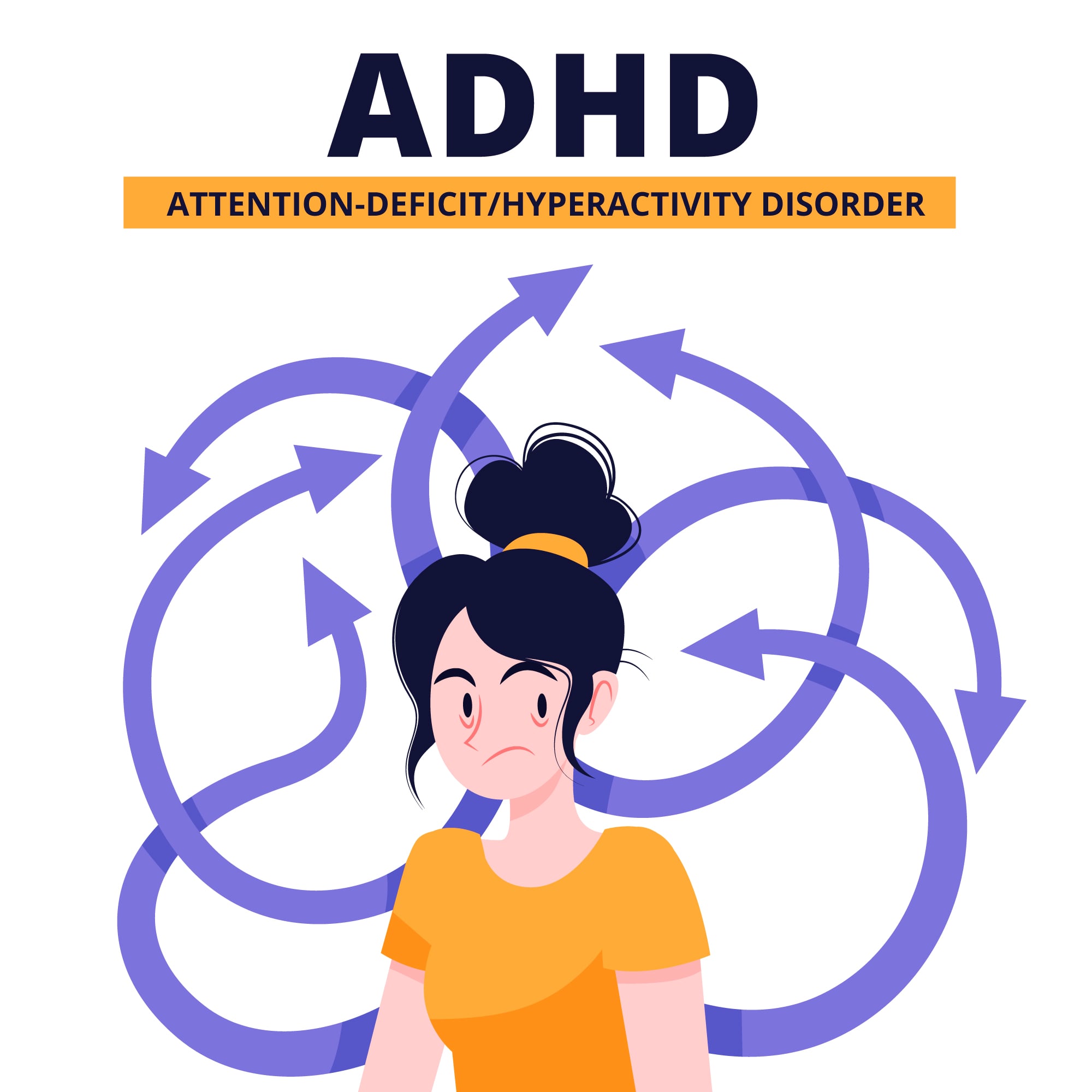
A recent study published in the journal Cell, led by researchers at Washington University School of Medicine, has offered a fresh perspective on Attention-Deficit/Hyperactivity Disorder (ADHD). Analysing brain imaging data from nearly 6,000 children, the study found that commonly prescribed stimulant medications such as Ritalin and Adderall may not directly improve attention as previously believed. Instead, these medications appear to enhance alertness and motivation, helping individuals engage better with tasks.
These findings challenge traditional assumptions about ADHD and highlight the need to rethink both its understanding and management.
ADHD: A Matter of Engagement, Not Just Attention
According to Chennai-based clinical psychologist Shruti Mohan, these findings support a broader conceptualisation of ADHD. “ADHD involves differences in reward processing, task salience, and arousal regulation, rather than a uniform deficit in attention,” she explains. Clinically, attention in ADHD is often variable. Individuals may demonstrate strong focus in engaging or rewarding contexts but struggle with tasks requiring sustained effort. “This shifts the understanding toward ADHD as a condition of context-dependent attentional deployment and self-regulation,” says Mohan.
Implications for ADHD Care
The study’s findings have significant implications for treatment approaches. Mohan emphasises that care must move beyond a narrow focus on attention. “It reinforces the need to address the conditions that support or hinder engagement, including environmental structuring, task design, and reinforcement patterns,” adds she.
A multimodal approach—combining behavioural, educational, and psychosocial strategies—is essential for improving functional outcomes, she highlights.
Looking Beyond Medication
While medication continues to play a role, it is not sufficient on its own. “Pharmacological interventions are best addressed by a psychiatrist,” Mohan notes. “From a psychological perspective, there is strong evidence supporting complementary approaches.”
These include:
- Behavioural interventions
- Parent management training
- Executive function–focused strategies
Such approaches target everyday functioning—organisation, planning, and behavioural regulation—and are critical for long-term adaptation.
Sleep: A Missing Piece in ADHD Management
One of the study’s key observations is that stimulant effects may resemble the benefits of a good night’s sleep. Mohan underscores the importance of this finding: “Sleep assessment is a fundamental component of both evaluation and management.”
She explains that sleep deprivation or irregular sleep patterns can significantly impact attention, impulse control, and emotional regulation—often mimicking ADHD symptoms. A thorough clinical formulation should include sleep history, as sleep-related factors can either exacerbate existing difficulties or contribute to similar presentations.
Risks of Misuse and Over-Prescription
The study also found that stimulants did not significantly improve performance in well-rested neurotypical children, raising concerns about misuse. “Medications that enhance alertness and task engagement may be perceived as performance-enhancing,” Mohan explains. This perception can increase the likelihood of non-medical use, especially in academic or high-demand environments. She stresses the importance of careful assessment and monitoring within psychiatric care.
Personalising ADHD Treatment
Not all children respond equally to stimulant medications, making personalised care essential. “Intervention should be function-based rather than relying solely on symptom categories,” says Mohan.
She highlights the need to assess:
- Executive functioning
- Motivational patterns
- Environmental demands
- Co-occurring difficulties
“The focus should be on improving real-world functioning, not just reducing symptom counts.”
When Should Parents Seek Help?
For many parents, distinguishing ADHD from factors such as poor sleep or excessive screen time can be challenging.
Mohan advises seeking professional help when:
- Difficulties are persistent
- Symptoms occur across multiple settings
- Behaviour is developmentally inconsistent
- Academic or social functioning is affected
“Distinguishing between transient factors and more stable patterns is an important part of early assessment,” she notes.
Making Informed Decisions About Medication
Concerns around starting stimulant medications are common among parents.
“Decisions regarding medication should be made in consultation with a psychiatrist,” Mohan emphasises.
She encourages parents to have detailed discussions about:
- Treatment goals
- Expected outcomes
- Monitoring processes
- Integration with behavioural and educational interventions
“A collaborative and informed approach supports more appropriate and sustained decision-making.”
Lifestyle Changes That Make a Difference
Beyond medication, structured lifestyle modifications can significantly support ADHD management.
Mohan recommends:
- Establishing consistent sleep–wake schedules
- Regulating digital exposure, especially high-intensity content
- Creating predictable routines to reduce cognitive load
- Breaking tasks into smaller, manageable units
- Incorporating regular physical activity
“Such strategies support attentional stability, behavioural organisation, and overall self-regulation in everyday contexts,” she explains