
Stress is an undeniable part of human life. While some levels of stress can be motivating and even beneficial, helping individuals perform daily activities more efficiently, excessive or chronic stress can have detrimental effects on physical and mental health. In today’s fast-paced world, stress has become a widespread issue, affecting people across various age groups and professions.
The World Health Organisation (WHO) defines stress as a state of worry or mental tension caused by difficult situations. It is a natural human response that enables individuals to face challenges and threats in their lives. The American Psychological Association (APA) describes stress as any uncomfortable emotional experience accompanied by biochemical, physiological, and behavioural changes. Studies indicate that stress-related issues are on the rise, with a significant number of people experiencing anxiety and depression due to prolonged exposure to stress. A study on “The Mental Health Status of Employees in Corporate India” revealed that one out of every two employees suffers from anxiety and depression, primarily triggered by long-term work stress. Additionally, an IPSOS global survey conducted on World Mental Health Day in 2024 found that 53 percent of urban Indians had experienced stress severe enough to impact their daily lives in the past year, with 22 percent reporting frequent episodes of stress.
Stress can manifest in different forms, including acute stress, which is short-term and occurs in response to specific situations; episodic acute stress, which arises from recurring stressful events; chronic stress, which is long-term and stems from ongoing situations or conditions; and traumatic stress, which results from distressing experiences such as accidents or natural disasters. Traumatic stress may even lead to Post-Traumatic Stress Disorder (PTSD), a mental health condition that makes individuals feel stressed and anxious long after the actual danger has passed.
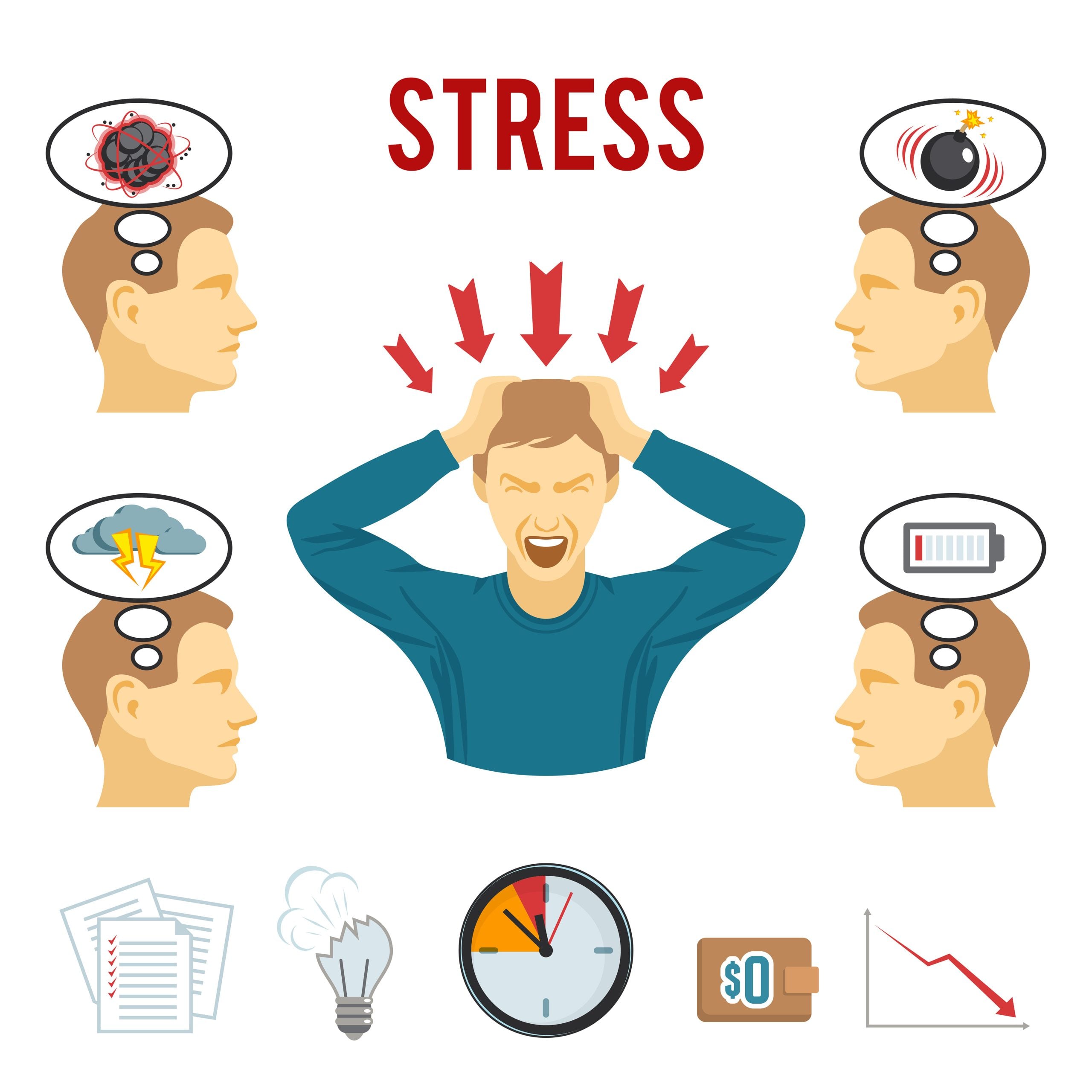
The causes of stress are vast and varied. Work-related factors, such as long working hours, heavy workloads, and lack of control over tasks, can significantly contribute to stress levels. Financial difficulties, uncertainty about the future, and debt-related concerns can also trigger high levels of stress. Relationship issues, whether they arise from conflicts with family, friends, or romantic partners, can further exacerbate stress levels. Chronic illnesses, persistent pain, and concerns about health create additional emotional strain, while environmental factors, including noise pollution and lack of natural light, also contribute to stress.
The impact of chronic stress can be profound, affecting physical, emotional, behavioural, and cognitive well-being. It can cause various physical symptoms, including headaches, muscle tension, fatigue, digestive problems, weakened immunity, rapid heartbeat, frequent colds, loss of sexual desire, dry mouth, and skin conditions like eczema and acne. Emotionally, stress often leads to anxiety, irritability, mood swings, sadness, anger, and a loss of interest in activities that once brought joy. It can also result in behavioural changes, such as overeating or undereating, social withdrawal, procrastination, increased substance abuse, and aggression. Additionally, stress affects cognitive abilities, leading to difficulty concentrating, memory issues, racing thoughts, constant worry, poor judgment, and indecisiveness.
While stress cannot be completely avoided in daily life, it can be managed effectively through various strategies. Therapy and counselling play a crucial role in stress management. Cognitive Behavioural Therapy (CBT) is one of the most widely used approaches, helping individuals recognise and change negative thought patterns. Acceptance and Commitment Therapy (ACT) focuses on long-term stress management by altering responses to stressors. Positive psychology therapy shifts the focus from problems to strengths, promoting resilience and well-being. Behavioural therapy helps individuals change specific behaviours that contribute to stress, while group therapy provides support for people dealing with traumatic or extremely stressful events, such as natural disasters, grief, or divorce. In some cases, medication, such as antidepressants, may be prescribed under medical supervision.
Beyond therapy, several lifestyle changes can significantly reduce stress. Deep breathing exercises, meditation, and visualisation techniques help promote relaxation and regulate stress responses. Yoga has been proven to reduce anxiety and enhance overall well-being. Positive thinking, maintaining a structured daily routine, and journaling can provide a sense of control and organisation, helping to alleviate stress. Getting sufficient and consistent sleep is essential, as poor sleep habits can exacerbate stress levels. Regular physical exercise is another effective way to combat stress, as it triggers the release of endorphins and serotonin, commonly referred to as “feel-good” chemicals that improve mood and mental clarity.
A well-balanced diet also plays a crucial role in stress management. While healthy eating cannot eliminate stress, it can improve the body’s ability to cope with it. Reducing the intake of refined sugars, processed foods, and unhealthy fats can prevent energy crashes and mood fluctuations. Cutting back on caffeine is recommended, as it acts as a stimulant that can interfere with sleep and increase anxiety levels. Replacing sugary drinks with herbal teas, such as chamomile or green tea, can provide calming effects. Incorporating stress-relieving foods into the diet can further aid in stress reduction. Oranges are rich in vitamin C and folic acid, which help in managing stress. Spinach is an excellent source of magnesium, which has calming effects on the nervous system. Dark chocolate contains antioxidants and amino acids that promote relaxation, while blueberries, high in antioxidants, act as natural stress busters. Broccoli, rich in vitamin B6 and folic acid, supports mental well-being. Omega-3 fatty acids found in fish, along with tryptophan-rich foods like bananas, walnuts, and eggs, help regulate mood. Probiotic foods such as yogurt and flaxseeds support gut health, which is closely linked to mental well-being.
Although stress is an inevitable part of life, understanding its causes and effects allows individuals to take proactive steps toward managing it. By incorporating effective stress management techniques, maintaining a healthy lifestyle, and seeking professional support when needed, individuals can significantly reduce stress levels and improve their overall quality of life. Developing a balanced approach to handling stress ensures not only better physical and mental health but also a greater sense of peace and well-being in everyday life.