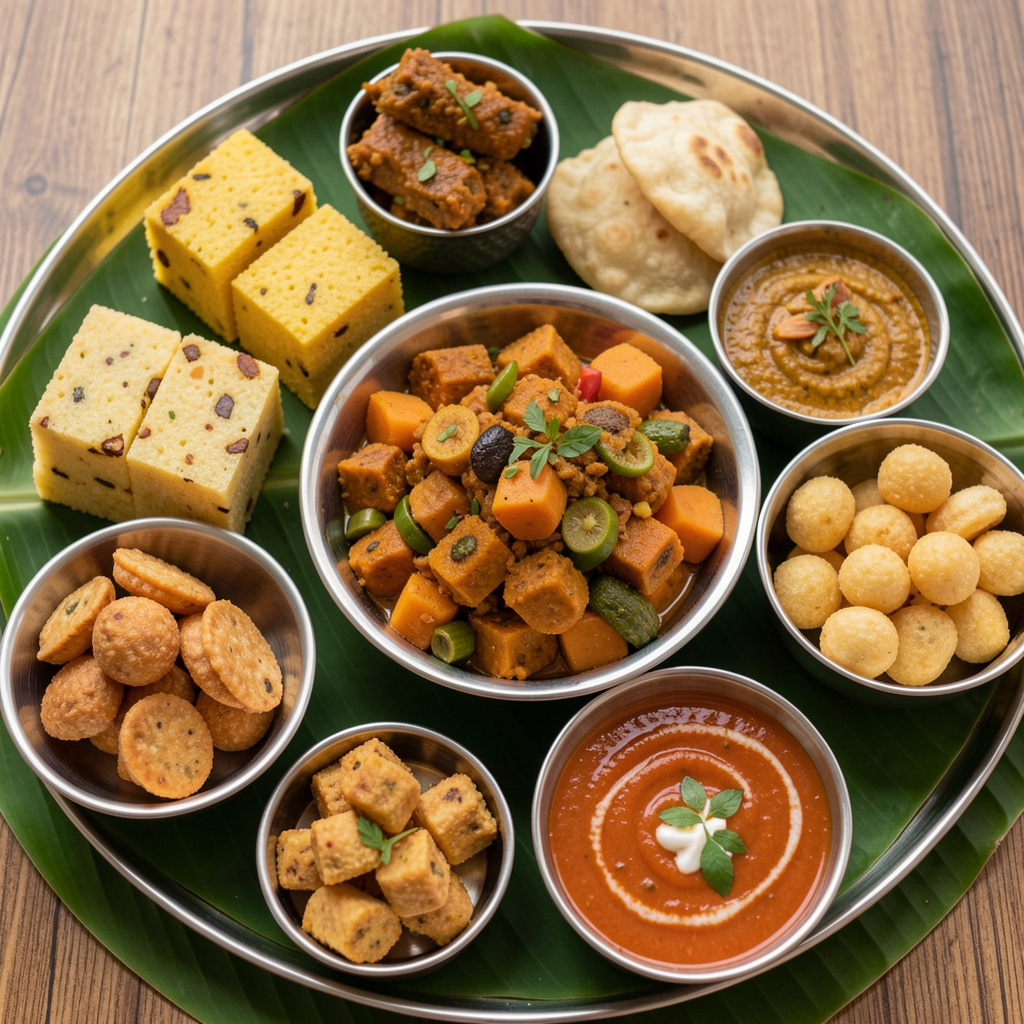
In Gujarat, food is never just about satisfying hunger—it is about care, balance, and nourishment. Everyday ingredients like besan (gram flour) and jaggery have long found a place in both daily meals and festive feasts, valued not only for their taste but also for the comfort and sustenance they provide. “Besan is filling and comforting, while jaggery adds warmth and natural sweetness,” says culinary expert Deepa Vyas in conversation with Shivani Bharat (Chaturvedi). Together, these humble ingredients have nourished generations through long working days, family gatherings, and celebrations.
For Vyas, this understanding of food comes from a lifetime steeped in culinary traditions. Born in Prayagraj into a family with deep roots in the city, she inherited her love for cooking from her mother. After her marriage, she moved to Porbandar, where she immersed herself in the culinary heritage of Saurashtra and Kutch, learning authentic recipes and time-honoured techniques from local communities. Fifteen years later, she returned to her hometown carrying a rich repository of Gujarati culinary wisdom, transforming her passion into a profession by preparing traditional homemade delicacies for local stores while passing on these recipes to her children. Her family’s long-standing association with the revered Somnath Temple further reflects the cultural and spiritual values that continue to shape her approach to cooking, making every dish a celebration of Gujarat’s rich culinary legacy.
That philosophy is evident in the foods that define Gujarati celebrations. At weddings and family functions, besan-based favourites such as fafda, kadhi, patra made with arbi leaves, and jalebi quietly take centre stage. “These dishes are prepared with ingredients like tamarind, ginger, red chilli, sesame seeds, and jaggery, which help make the food lighter and easier on the stomach,” Vyas explains. Cooking is traditionally done in peanut oil, a staple that many Gujarati households continue to prefer for its familiar flavour and digestibility.
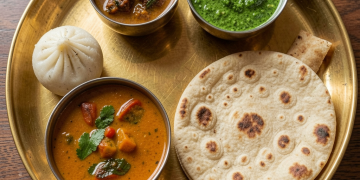
Chutneys in Gujarati homes are never an afterthought. A simple coriander–mint chutney becomes richer with the addition of sesame seeds, coconut, and peanuts. These small additions make the chutney more satisfying and nourishing. Rice and urad dal are often ground together into a dough and shaped into round preparations—simple foods that quietly provide lasting energy through the natural balance of grains and lentils.
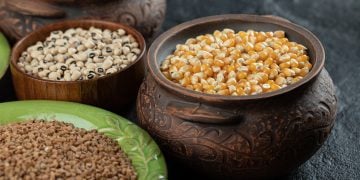
Lentils and millets are deeply woven into daily meals. Moong, arhar, jowar, and bajra are cooked in different forms, often as vegetables or dals. Gujarati dals are known for their gentle sweetness, flavoured with jaggery, cardamom, and nutmeg. It may seem unusual to outsiders, but this balance of flavours makes the food comforting and easy to digest, Vyas points out.
One dish that truly reflects the soul of Gujarati cooking is matka undhiyu, slow-cooked in an earthen pot placed upside down over firewood. This slow, patient method allows vegetables to soften naturally, soak in flavours, and feel deeply nourishing—just the way home food should.
Daily staples like khakra go beyond wheat. Versions made from ragi, bajra, and jowar are common, especially in homes that value traditional grains. After every meal comes mukhwas, a ritual in itself. Made with dried betel leaves, peppermint, coriander, sesame seeds, and mango seed, it is not just a mouth freshener—it gently settles the stomach and signals the end of a meal.
No Gujarati plate feels complete without bhajiyas—potato and brinjal fritters, methi na gota, and ghumra made from peas and potatoes. These are foods of comfort, often shared during evenings, conversations, and rainy days.
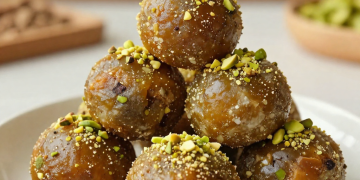
Gujarati sweets carry warmth and purpose. Ghari, rich with ghee and khoa, is enjoyed in small portions during celebrations. Ardiya laddoos, made with urad flour, ghee, nuts, edible gum, and aromatic spices, are traditionally eaten for strength, especially during colder months.
And then there is masala chai—present from early morning until night. Each cup, flavoured with ginger and cardamom, brings people together, offering warmth, pause, and comfort.
Gujarati food, at its heart, is about listening to the body. It respects seasons, values digestion, and believes that food should nourish not just the stomach, but the soul.