Wednesday, October 21, 2026
  • Login
Swaasth Space
  • Home
  • Holistic Wellness
  • Mind Matters
  • Nutrition
  • Young Lives
  • Vedic Roots
  • Heritage Science
No Result
View All Result
  • Home
  • Holistic Wellness
  • Mind Matters
  • Nutrition
  • Young Lives
  • Vedic Roots
  • Heritage Science
No Result
View All Result
Swaasth Space
No Result
View All Result

Bhil Community’s Food Heritage

Minal Bedekar by Minal Bedekar
October 20, 2026
in Heritage Science
0
Bhil Community’s Food Heritage
0
SHARES
10
VIEWS
Share on FacebookShare on Twitter

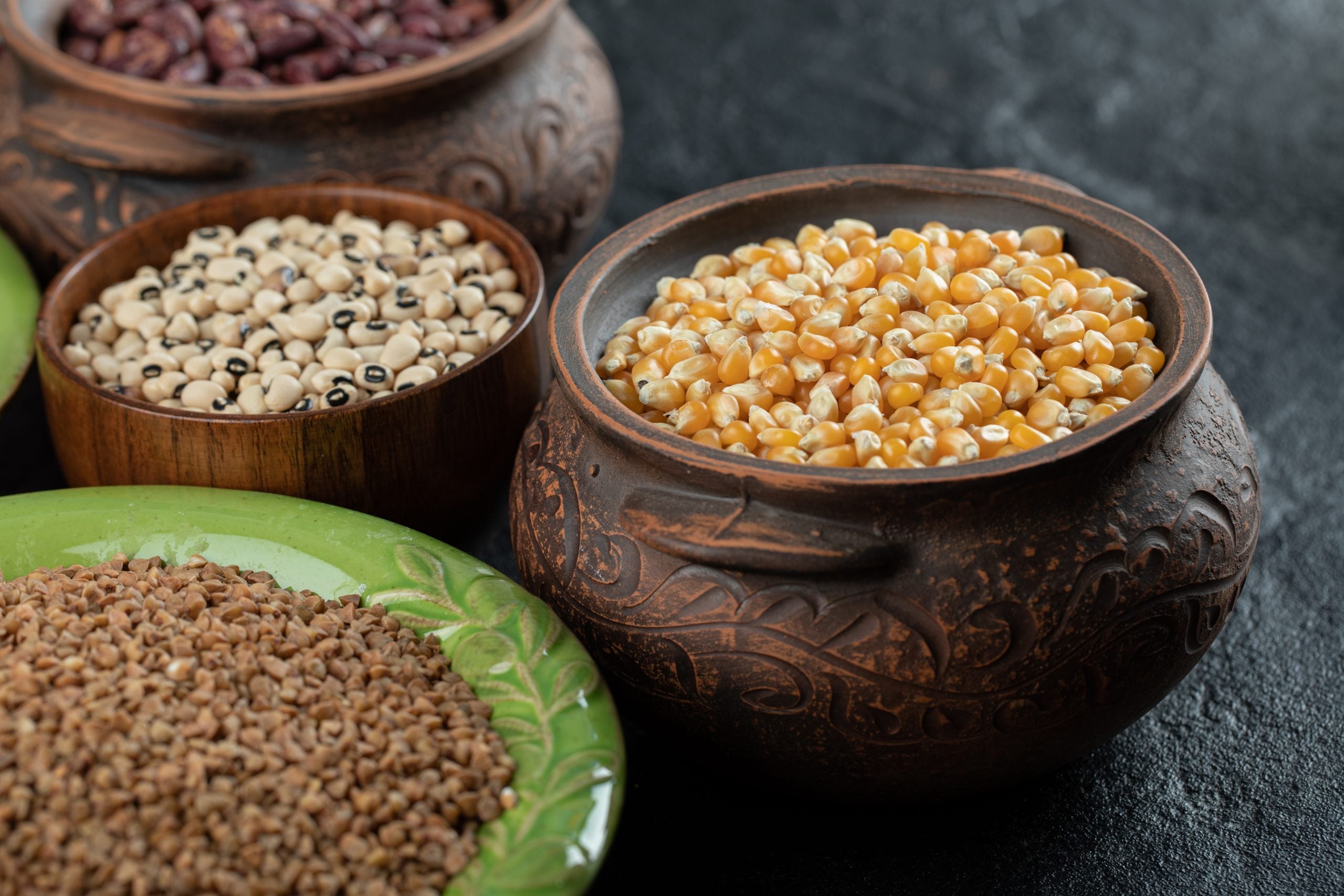
The Bhil community of Alirajpur in Madhya Pradesh follows a traditional diet that is deeply connected to their natural environment and agricultural practices. Maize or corn is the primary staple in their meals, forming the base of many dishes. Alongside maize, they rely on various pulses such as urad (black gram) and tuar (pigeon pea) to supplement their protein intake. Instead of widely consumed grains like wheat or rice, the Bhils incorporate millets and coarse grains such as jowar (sorghum), bajra (pearl millet), bhadi, kulthi (horse gram), and thuli. These grains are highly nutritious, drought-resistant, and well-suited to the region’s climate.

Green leafy vegetables hold an important place in the Bhil diet. Many of these vegetables are gathered from the wild, showcasing the community’s reliance on seasonal and locally available produce. Some of the commonly consumed greens include bhindi ke patte (okra leaves), rajgira leaves (amaranth), kulthi ki bhaji (horse gram greens), jharkali, and karli ki bhaji. These greens offer essential micronutrients, contributing to their overall health and vitality.

Among their traditional preparations, paniye or rabdil stands out as a popular dish made from corn. This dish reflects their expertise in using staple crops creatively. The Bhils prefer grinding their grains using a handmill (ghatti), a traditional tool made of two stones placed one over the other. This method ensures that grains are ground only in small quantities, preserving freshness and flavour. The community values the practice of preparing food just enough for the day, minimising waste and aligning with sustainable living principles.

Their meals also include comforting dishes like daliya (porridge), khichdi (a blend of lentils and grains), and lapsi (a sweet dish made from broken wheat). Although the Bhils primarily consume plant-based foods, they do incorporate non-vegetarian items into their diet occasionally, depending on availability and cultural practices.

The Bhil diet reflects a harmonious balance between nutrition, sustainability, and tradition. Their reliance on millets, pulses, and greens not only ensures a nutrient-dense diet but also supports environmental sustainability, as these crops thrive in arid conditions with minimal water. The use of simple tools like the ghatti and the preference for fresh, locally sourced ingredients highlight their minimalistic yet efficient food practices. Through their food habits, the Bhils exemplify how traditional diets rooted in local ecosystems can provide both sustenance and resilience. Their approach to food—guided by availability, simplicity, and sustainability—offers valuable insights into living in balance with nature.
Tags: bhil communitycommunity food heritagecultural nutritionforest-based foodsregional indian cuisinetribal cuisine indiatribal health wisdom
ShareTweetSend
Previous Post

Grains of Truth: The Pros and Cons of Multigrain Bread

Next Post

Health Benefits of Kewra Water

Minal Bedekar

Minal Bedekar

Minal Bedkar is an MBA in Personnel Management and a Marathi translator based in Bhopal, Madhya Pradesh. A Maharashtrian by origin, she has translated a wide range of works spanning spirituality, biographies, and university course materials. Among her notable contributions are the Marathi translations of two books by renowned psychiatrist and bestselling author Dr Brian L. Weiss. Through her translations, she has helped make thought-provoking and transformative literature accessible to a wider Marathi-speaking audience. Her work reflects a commitment to linguistic precision while preserving the essence and spirit of the original texts.

Related Posts

Food Traditions for the Postpartum Journey
Heritage Science

Food Traditions for the Postpartum Journey

October 20, 2026
A Symphony of Spices: The Culinary Wisdom of Maharashtra
Heritage Science

A Symphony of Spices: The Culinary Wisdom of Maharashtra

October 20, 2026
Ancient Glow Rituals
Heritage Science

Ancient Glow Rituals

October 20, 2026
Ferns’ Food: A Heritage of Health, Tradition, and Innovation since 1937
Heritage Science

Taste of Tradition at Seoul’s Market

October 20, 2026
Next Post
Health Benefits of Kewra Water

Health Benefits of Kewra Water

Leave a Reply Cancel reply

Your email address will not be published. Required fields are marked *

I agree to the Terms & Conditions and Privacy Policy.

  • Trending
  • Comments
  • Latest
Choosing Right Salt for Better Health

Choosing Right Salt for Better Health

October 20, 2026
India’s Transplant Revolution

India’s Transplant Revolution

October 20, 2026
Mindfulness in a Fast-Paced World

Mindfulness in a Fast-Paced World

October 20, 2026
The Silent Digestive Disorder We Often Ignore

The Silent Digestive Disorder We Often Ignore

October 20, 2026
Why Cooking in Iron Vessels Still Matters

Why Cooking in Iron Vessels Still Matters

1
The Sunshine Paradox

The Sunshine Paradox

0
How Diet Affects the Brain!

How Diet Affects the Brain!

0
The Timeless Twig: How Datoon Stays Relevant in Modern Oral Care

The Timeless Twig: How Datoon Stays Relevant in Modern Oral Care

0
The Sole Vital Sign

The Sole Vital Sign

October 20, 2026
Intuitive Eating – How Effective It Is?

Puberty Diet Guide for Teens

October 20, 2026
Food Traditions for the Postpartum Journey

Food Traditions for the Postpartum Journey

October 20, 2026
Brain Fog: Is It Real or Just a Perception?

Brain Fog: Is It Real or Just a Perception?

October 20, 2026

Recent News

The Sole Vital Sign

The Sole Vital Sign

October 20, 2026
Intuitive Eating – How Effective It Is?

Puberty Diet Guide for Teens

October 20, 2026
Food Traditions for the Postpartum Journey

Food Traditions for the Postpartum Journey

October 20, 2026
Brain Fog: Is It Real or Just a Perception?

Brain Fog: Is It Real or Just a Perception?

October 20, 2026
Swaasth Space

© 2026 Swaasth Space "All Rights Reserved"

Navigate Site

  • About Us
  • Contact Us
  • Privacy Policy
  • Advertise With Us

Follow Us

Welcome Back!

Login to your account below

Forgotten Password?

Retrieve your password

Please enter your username or email address to reset your password.

Log In
No Result
View All Result
  • Home
  • Holistic Wellness
  • Mind Matters
  • Nutrition
  • Young Lives
  • Vedic Roots
  • Heritage Science

© 2026 Swaasth Space "All Rights Reserved"

This website uses cookies. By continuing to use this website you are giving consent to cookies being used. Visit our Privacy and Cookie Policy.