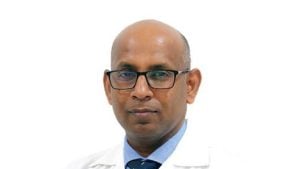

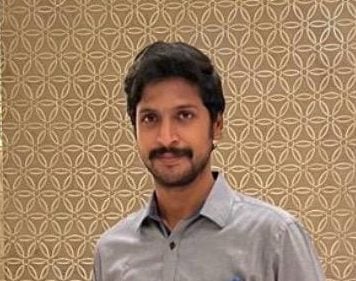
Organ transplantation in India has come a long way—from being viewed as a high-risk, last-resort option to becoming a precise, life-saving procedure. In Tamil Nadu, one of the leading states in transplant medicine, a quiet revolution is taking place in operation theatres and transplant units. At the heart of this transformation are doctors like Dr. D. Gawtham, a Chennai-based liver transplant surgeon, who combines cutting-edge surgical techniques with a deep commitment to patient and donor safety.
With advancements such as robotic surgery, machine perfusion, and specialised care for pediatric recipients, the field is not only saving more lives but also improving the quality of life post-transplant. Dr. Gawtham walks us through the nuanced realities of organ donation, the role of technology, and the importance of informed, timely decisions in the transplant journey.
The Rise of Minimally Invasive Surgeries
One of the most significant developments in recent years has been the shift towards minimally invasive donor surgeries. “The fear of open surgeries often discourages families from considering organ donation. But now, we use laparoscopic and even robotic techniques for donor surgeries. The donor will only have three to four keyhole incisions, and the organ is retrieved through a small, nearly invisible cut,” Dr. Gawtham explains.
These advancements have not only reduced postoperative pain and recovery time but also improved cosmetic outcomes, making the procedure less daunting for potential donors.
Donor Safety and Life After Surgery
While live liver donation may sound intimidating, the liver’s ability to regenerate within 4–6 weeks makes it one of the safer organs to donate. “We’ve operated on young donors—some who went on to become doctors, get married, and have children. Their lives return to normal within weeks,” he says.
Dr. Gawtham emphasises that donor health is the top priority. “We conduct a thorough preoperative evaluation, and if there’s even a 1 percent risk to the donor, we will not proceed. Donors are more important to us than recipients because they’re healthy individuals stepping forward to help.”
Game-Changer: Machine Perfusion
A major innovation revolutionising transplant logistics is machine perfusion, a method that preserves organs during transportation. “Sometimes the organ is in Thanjavur, and the recipient is in Trichy or Tuticorin. Machine perfusion allows us to transport the organ safely over long distances by supplying it with oxygenated fluid, improving its viability,” Dr. Gawtham says.
This method also allows surgeons to use marginal organs—those from older or less optimal donors—by revitalising them before transplant. “We’ve already used this method for over 45 organs, and we’ve seen significantly improved graft survival rates,” he adds.
Pediatric Transplants: High Stakes, Higher Precision
Pediatric liver transplants are among the most complex surgeries performed. “The blood vessels are extremely small, requiring special training and surgical precision. Postoperative care is even more critical because children have lower immunity and are more susceptible to infections,” Dr. Gawtham says.
One of the main postoperative concerns in children is lung infection. “Most children are too young for incentive spirometry, so we rely on antibiotics and chest physiotherapy. But with careful monitoring, they bounce back,” he notes. The doctor recalls performing one of the youngest liver transplants in Tamil Nadu—a feat that underscores both the risks and rewards of working with pediatric patients.
Challenges and Complications
While liver transplantation has high success rates (95–98 percent), complications do arise. The most common intraoperative risk is bleeding, due to liver disease-associated coagulopathy. Surgeons mitigate this with platelet transfusions and fresh frozen plasma.
Another serious complication is hepatic artery thrombosis (HAT), which occurs if the artery supplying the liver gets blocked by a clot. “We’re very careful during the arterial anastomosis, ensuring proper blood flow. If the artery doesn’t look good, we find an alternative. This is one of the most dreaded complications,” he says. Biliary complications like leaks or strictures may also occur but are usually manageable through stents or additional procedures.
Post-Transplant Life and Compliance
“Surgery is just 50 percent of the process. The remaining 50 percent lies in strict postoperative care,” Dr. Gawtham emphasises. Patients must take immunosuppressants regularly and follow up diligently. “Some patients feel better after a few months and assume they’re cured. But skipping medicines or drinking alcohol can be fatal,” he warns.
Tamil Nadu’s Rising Leadership in Organ Donation
Tamil Nadu has made headlines for its increasing number of organ donations. A new state initiative honors families of deceased donors, encouraging more people to contribute. “Now, after a donation, local councillors visit families to felicitate them. It’s a small gesture, but it means a lot,” he says. Tamil Nadu has reaffirmed its position as India’s leading state in deceased organ donation, recording 57 deceased donors in the first two months of 2026.
The Future of Transplants
Dr. Gawtham is optimistic about what lies ahead. “Robotic kidney transplants are already being done. We’ve done about 15 cases so far and are the only center in Tamil Nadu performing robotic kidney transplants in recipients. We’re also aiming to introduce robotic liver transplants.”
However, he believes the real breakthrough will come when awareness about early transplants spreads. “Families wait too long, thinking the patient is fine. But the best outcomes come when the patient is still healthy enough to withstand surgery. Late-stage patients face more complications and lower survival rates.”
Awareness Saves Lives
“Organ transplant is safe—especially when done at the right time. Awareness is everything,” Dr. Gawtham says. His advice to families considering a transplant is simple but urgent: Don’t wait for things to get worse. Trust the process. And above all, understand that organ donation can save more than one life—it can transform entire families.