
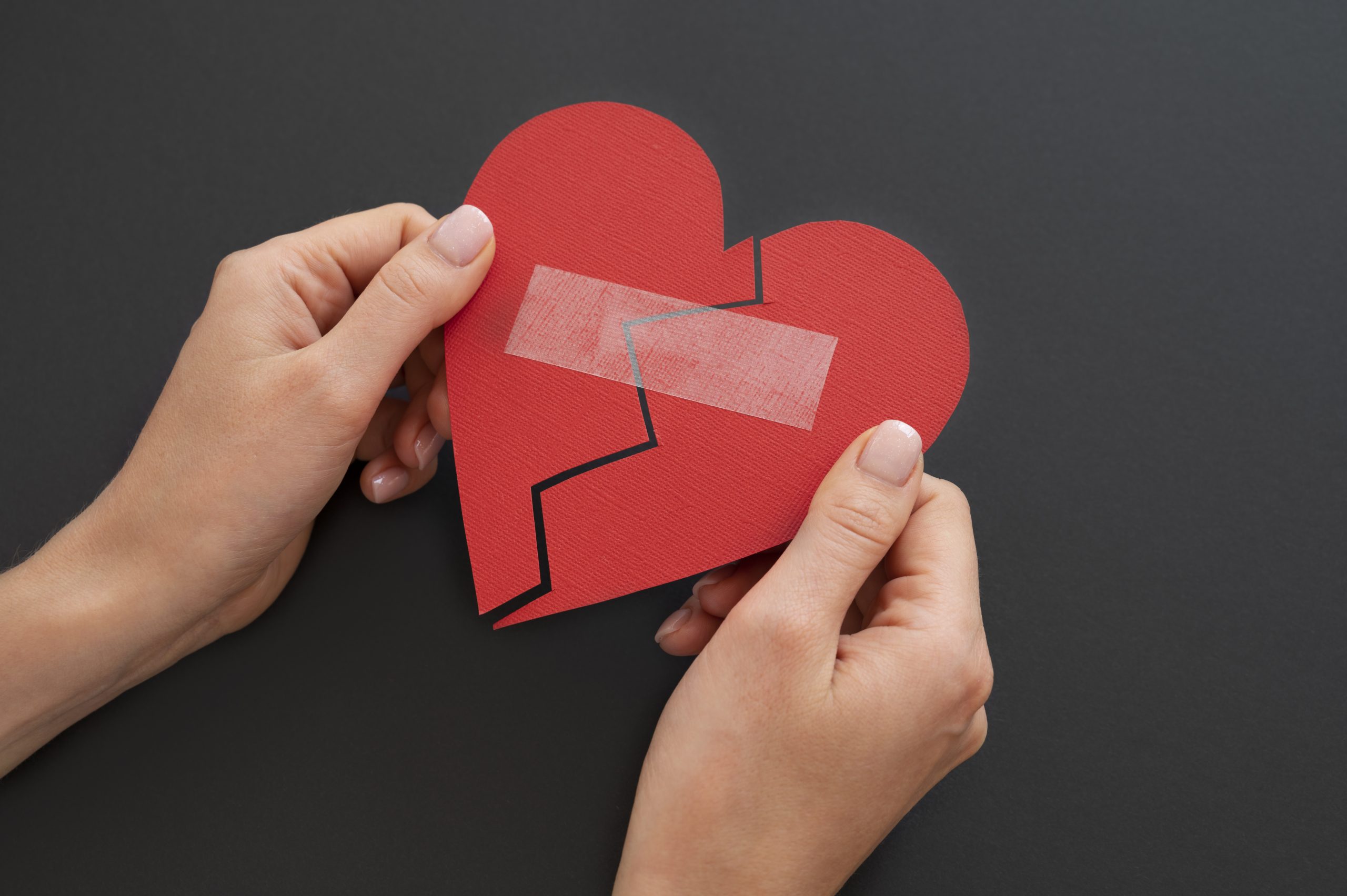
Indian poets and filmmakers have long delved into the emotional depths of heartbreak. From Kalidasa’s poignant verses on love and loss to Bollywood’s evocative portrayal of heartache, the metaphor of a “broken heart” resonates deeply. But beyond poetic expressions, a broken heart is a real medical condition with significant physical implications. Intense emotional pain, such as losing a loved one or experiencing a life-altering event, can trigger physical reactions in the heart, leading to symptoms that mimic a heart attack.
First identified in Japan in 1990, Broken Heart Syndrome—also known as stress cardiomyopathy, takotsubo syndrome, or apical ballooning syndrome—primarily affects women, especially those aged 45–70. The name “takotsubo” refers to the shape of one of the heart’s chambers during this condition, resembling a traditional Japanese pot used to catch octopus.
Broken Heart Syndrome presents symptoms similar to a heart attack, including chest pain, shortness of breath, dizziness, excessive sweating (diaphoresis), irregular heartbeat, low blood pressure, and nausea.
Risk Factors for Broken Heart Syndrome
– Women (especially postmenopausal): Hormonal changes in postmenopausal women increase susceptibility.
– Age Over 50: The risk of developing this condition rises with age.
– History of Seizures or Strokes: Individuals with a history of these neurological conditions are more vulnerable.
– Mental Health Conditions: Anxiety, depression, and other mental health issues significantly increase the likelihood of experiencing Broken Heart Syndrome, particularly during periods of acute stress.
Causes
Stressful events trigger the release of adrenaline, a stress hormone that can:
– Narrow the arteries supplying blood to the heart, reducing blood flow.
– Bind to heart cells, causing excess calcium to enter and disrupting normal heart function. Fortunately, these effects are temporary, and the heart typically recovers within days or weeks.
Triggers
Broken Heart Syndrome is often caused by emotional or physical stress, although 30 percent of cases lack a clear trigger.
Emotional Triggers:
– Grief (e.g., the death of a loved one or loss of a relationship, home, or pet)
– Intense fear, anger, or surprise
– Receiving bad news
– Traumatic events
Physical Triggers:
– Severe pain or physical exhaustion
– Health crises like asthma attacks, strokes, seizures, high fever, or significant bleeding
Prevention
While there is no guaranteed way to prevent Broken Heart Syndrome, stress management is crucial. Strategies include practicing mindfulness techniques like meditation or yoga, anger management through therapy, maintaining healthy habits such as regular exercise, a nutritious diet low in processed foods and sugars, proper sleep, avoiding smoking, alcohol, and drug use, and building strong social connections
Complications
Though rare, complications may include pulmonary edema (fluid in the lungs), hypotension (low blood pressure), abnormal heart rhythms (arrhythmia), cardiogenic shock, and blood clots in the heart.
Treatment
There is no standard treatment for Broken Heart Syndrome. Initially, care resembles that for heart attacks. Once diagnosed, doctors prescribe medications to reduce strain on the heart and prevent future episodes.
How It Differs from a Heart Attack
Unlike heart attacks, which result from artery blockages, Broken Heart Syndrome involves temporarily reduced blood flow without arterial blockages. Broken Heart Syndrome reveals how profoundly our emotions impact physical health, reminding us of the importance of addressing both mental and physical well-being. While the condition is typically temporary and reversible, it underscores the need for stress management and emotional resilience in today’s increasingly stressful world. By adopting healthy habits, building support systems, and seeking timely medical care, individuals can better navigate emotional challenges and reduce the risk of this condition. This holistic approach ensures that the mind and heart remain in harmony, safeguarding overall health.