
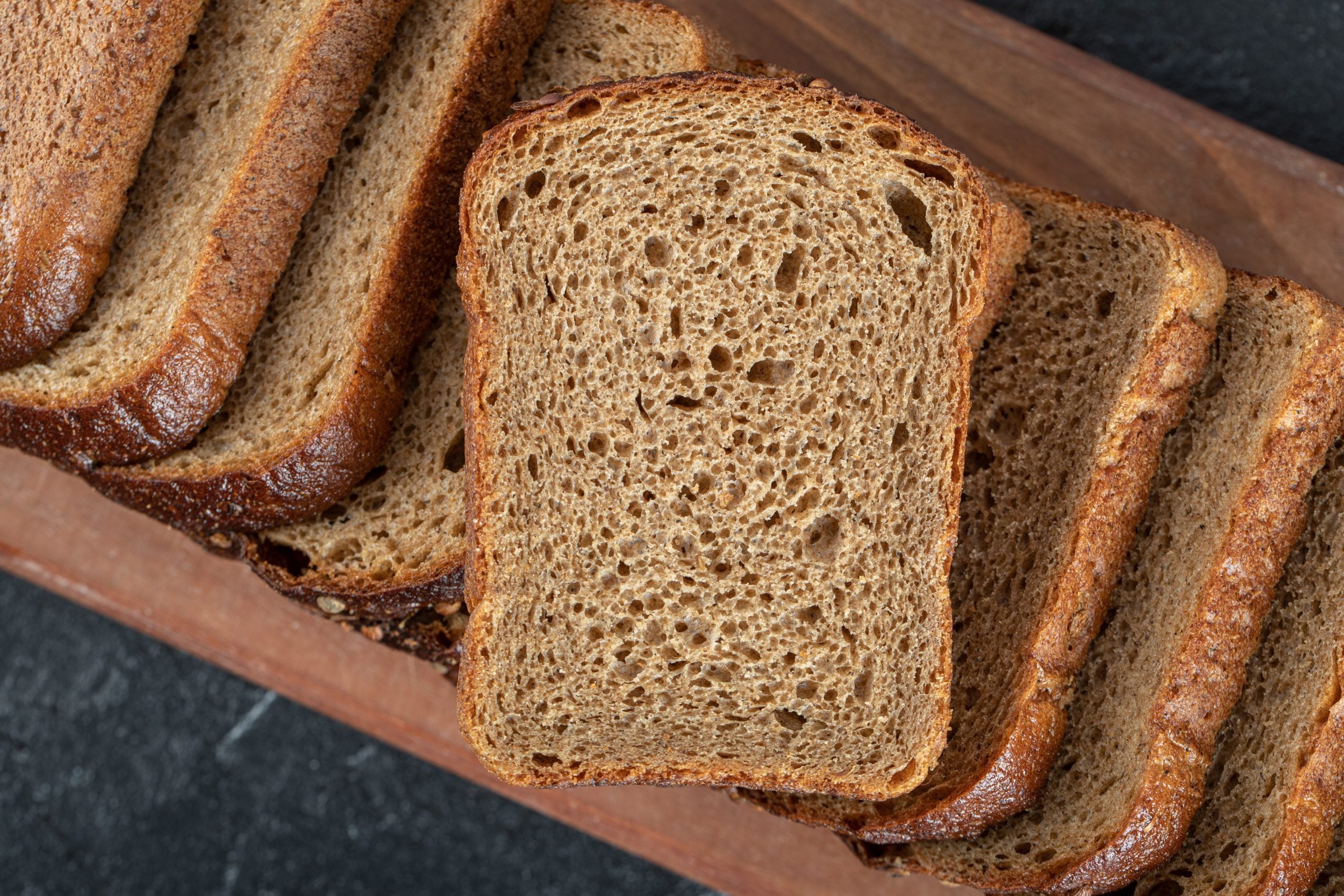
Bread remains a breakfast favourite due to its taste, convenience, and versatility. With several varieties available—white, brown, sourdough, and multigrain—the latter has become especially popular as a supposedly healthier choice. But is it truly as nutritious as it claims?
What is Multigrain Bread?
Multigrain bread is made from a combination of grains like wheat, rye, oats, barley, etc., offering a wider range of nutrients and fibre than single-grain or white bread.
Probable Health Benefits
- Higher Fibre: Supports digestion, prolongs satiety, and improves cholesterol and blood sugar control.
- Weight Management: Promotes fullness, reducing overeating.
- Nutrient Diversity: Multiple grains offer a spectrum of vitamins, minerals, and antioxidants.
- Lower Glycaemic Index: Helps regulate blood sugar—beneficial for diabetics.
- Disease Prevention: Regular intake of whole grains reduces risk of heart disease, diabetes, stroke, certain cancers, and improves immunity.
- Good Protein Source: A lesser-known benefit of multigrain bread.
Cons of Multigrain Bread
- Highly Processed: Some versions lose nutrients and fibre during processing; may include preservatives and excess salt.
- Added Sugars: Many brands add sugar, reducing the overall health benefit.
- Refined Grains: Not all multigrain breads are whole grain; many use refined grains that lack essential nutrients.
Making Smart Choices
To ensure you are getting the real benefits:
- Choose whole grain multigrain breads: Look for “whole grain” as the first ingredient.
- Read labels: Avoid added sugars and artificial ingredients.
- Minimally processed options: Choose brands with short, recognisable ingredient lists.
Multigrain bread can be a healthy alternative—but only if it is made with whole grains and minimal additives. Always read labels to make an informed choice.