
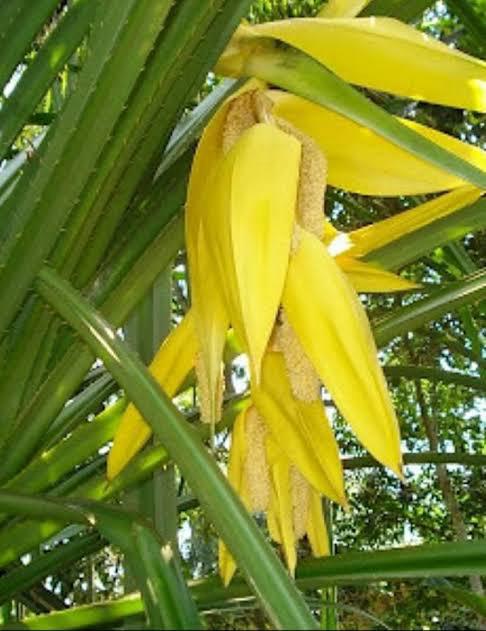
Kewra water is one of those quiet traditions many of us have grown up with, without ever really pausing to notice it. A few drops in a festive dessert, a faint floral note in a summer drink—its fragrance is familiar, comforting, and deeply nostalgic. Made by distilling the delicate flowers of the pandanus plant, kewra water carries with it centuries of wisdom, care, and everyday healing.
Long before it became a kitchen ingredient, kewra water was treasured in royal homes and sacred spaces. The very process of making it required patience—fresh flowers, gentle heat, and time—so it was once considered precious. Over generations, it moved beyond palaces and rituals into homes, becoming part of ayurvedic and unani practices where it was valued not for grand promises, but for the quiet way it supported the body.
What makes kewra water special is how gently it works. It helps cool the body, calm the stomach, and ease that heavy, uncomfortable feeling that often comes with digestive trouble. Mumbai-based Ayurvedic doctor Pragya Rao explains that it has traditionally been used to balance pitta, the body’s heat and metabolic energy. When digestion feels off or the body feels overheated, kewra water offers a soft reset rather than a strong push.
It has also long been used on the skin. Mildly antibacterial and soothing, it can help calm irritation, support healing, and refresh tired skin—especially in hot, humid weather. But beyond the physical benefits, many people turn to kewra water simply for how it makes them feel. Its scent has a naturally calming effect, helping the mind slow down and breathe a little easier.
In unani medicine, kewra water is known for its cooling nature and is often used during fevers, headaches, or periods of exhaustion caused by heat. Over time, it also found its way into practices focused on emotional well-being—used to reduce stress, lift the mood, and bring a sense of balance.
Even today, kewra water fits effortlessly into daily life. A few drops in bathwater can turn an ordinary bath into a moment of pause. Sprayed lightly on pillows, it can help the body unwind at night. Some people add it to drinking water or desserts, not just for flavour, but for the sense of lightness it brings after a meal. Others use it as a natural room freshener, letting its gentle aroma replace harsher artificial scents.
Kewra water doesn’t ask for attention. It doesn’t promise instant transformation. Instead, it offers something quieter and more enduring—a reminder that wellness doesn’t always come from doing more, but sometimes from returning to the simple, time-tested comforts we’ve always had.