
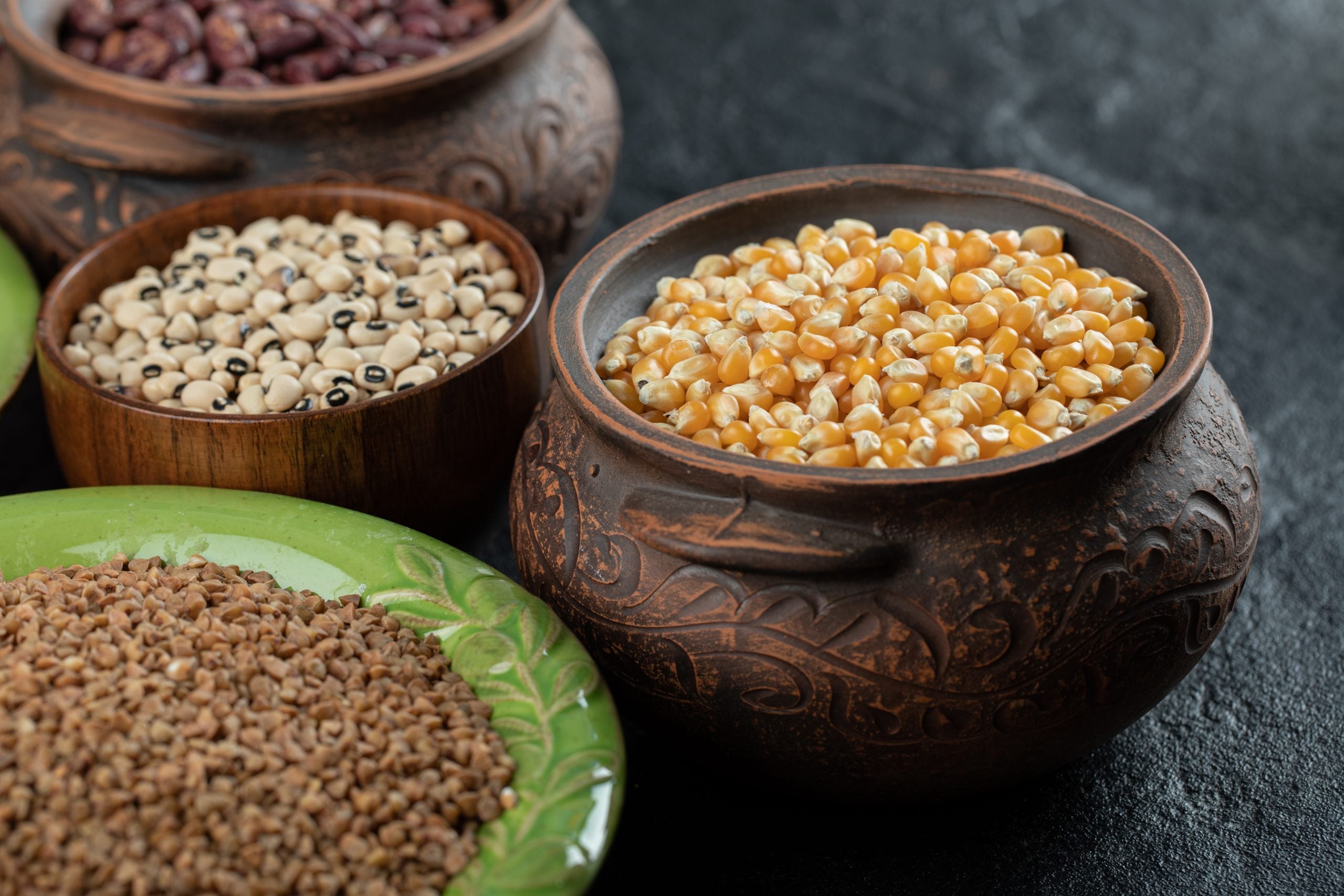
The Bhil community of Alirajpur in Madhya Pradesh follows a traditional diet that is deeply connected to their natural environment and agricultural practices. Maize or corn is the primary staple in their meals, forming the base of many dishes. Alongside maize, they rely on various pulses such as urad (black gram) and tuar (pigeon pea) to supplement their protein intake. Instead of widely consumed grains like wheat or rice, the Bhils incorporate millets and coarse grains such as jowar (sorghum), bajra (pearl millet), bhadi, kulthi (horse gram), and thuli. These grains are highly nutritious, drought-resistant, and well-suited to the region’s climate.
Green leafy vegetables hold an important place in the Bhil diet. Many of these vegetables are gathered from the wild, showcasing the community’s reliance on seasonal and locally available produce. Some of the commonly consumed greens include bhindi ke patte (okra leaves), rajgira leaves (amaranth), kulthi ki bhaji (horse gram greens), jharkali, and karli ki bhaji. These greens offer essential micronutrients, contributing to their overall health and vitality.
Among their traditional preparations, paniye or rabdil stands out as a popular dish made from corn. This dish reflects their expertise in using staple crops creatively. The Bhils prefer grinding their grains using a handmill (ghatti), a traditional tool made of two stones placed one over the other. This method ensures that grains are ground only in small quantities, preserving freshness and flavour. The community values the practice of preparing food just enough for the day, minimising waste and aligning with sustainable living principles.
Their meals also include comforting dishes like daliya (porridge), khichdi (a blend of lentils and grains), and lapsi (a sweet dish made from broken wheat). Although the Bhils primarily consume plant-based foods, they do incorporate non-vegetarian items into their diet occasionally, depending on availability and cultural practices.
The Bhil diet reflects a harmonious balance between nutrition, sustainability, and tradition. Their reliance on millets, pulses, and greens not only ensures a nutrient-dense diet but also supports environmental sustainability, as these crops thrive in arid conditions with minimal water. The use of simple tools like the ghatti and the preference for fresh, locally sourced ingredients highlight their minimalistic yet efficient food practices. Through their food habits, the Bhils exemplify how traditional diets rooted in local ecosystems can provide both sustenance and resilience. Their approach to food—guided by availability, simplicity, and sustainability—offers valuable insights into living in balance with nature.