

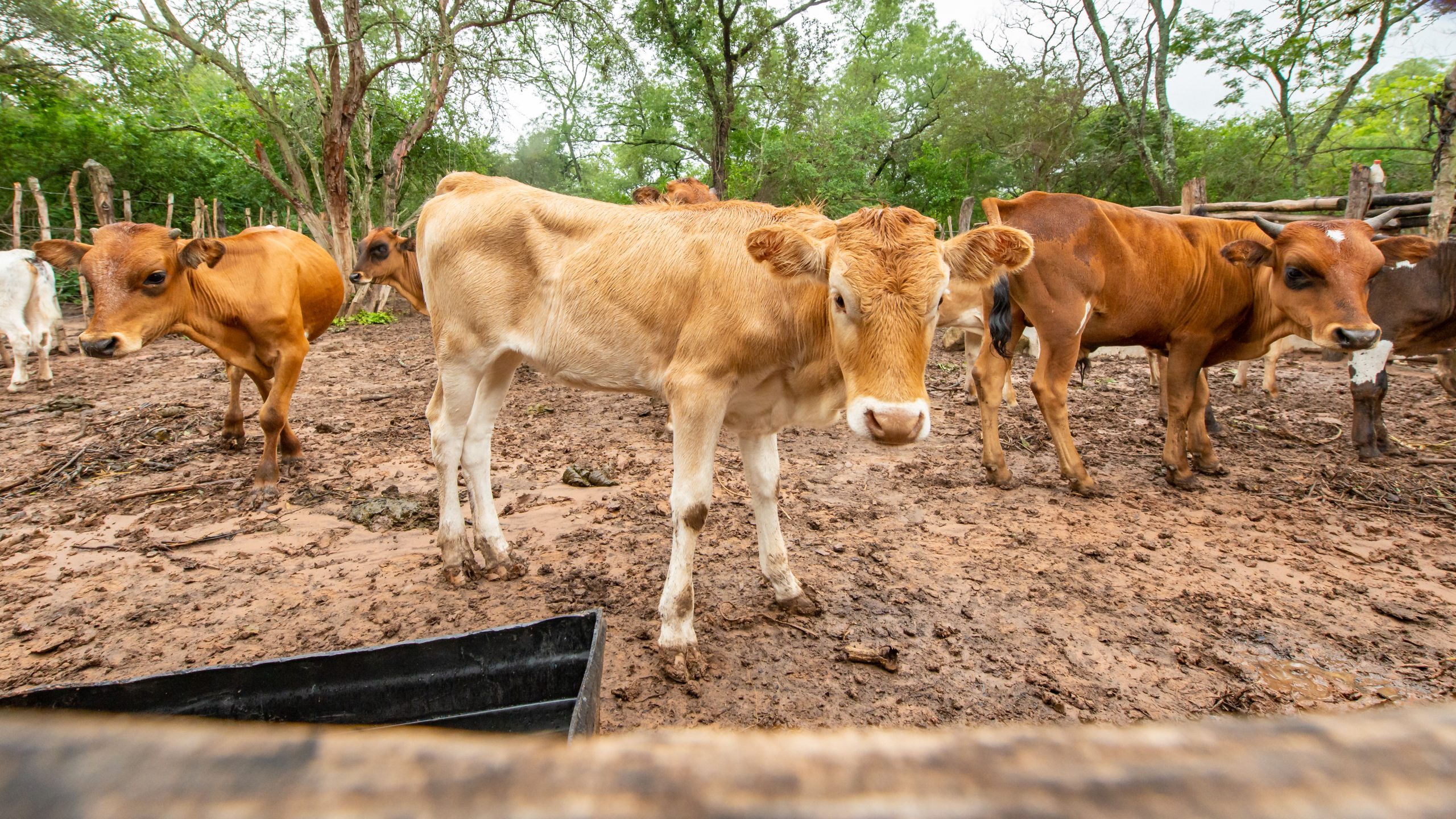
Cow dung has long been revered in rural communities for its versatility, including its traditional health applications. However, as lifestyles evolve and healthcare advances, it is crucial to reassess the suitability of cow dung in contemporary health promotion.
Historically, various cultures have integrated cow dung into traditional medicine, particularly for its believed antibacterial properties in wound care and infection prevention. In Ayurveda, cow dung has been recognised for centuries for its medicinal uses. It plays a key role in formulations such as parpati kalpana, where it assists in the preparation of mercuric medicines. Additionally, panchagavya, a blend of five cow-derived substances including dung, is used in the treatment of epilepsy (apasmara), says Mumbai-based ayurveda doctor Pragya Rao.
“Cow dung juice, known as gomaya swarasa, is used in treating conditions such as anemia (pandu), piles (arsa), and even heart protection in cases of poisoning (visa chikitsa). It is also used in eye care as nasal drops for presbyopia (timira). Despite these traditional uses, modern applications of cow dung for health purposes require caution. Proper processing and safety measures are essential due to the risks of pathogens, parasites, and toxins that untreated cow dung may harbour,” adds she.
In today’s world, where access to medical care and hygienic products is readily available, promoting cow dung as a health remedy may not align with evidence-based practices and modern safety standards. Cow dung also has significant agricultural and environmental benefits. It serves as a natural fertiliser and plays a role in renewable energy production, such as biogas, supporting livelihoods and fostering environmental sustainability. However, promoting cow dung for health in urban settings presents challenges. While rural communities continue to rely on cow dung for various uses—such as fertiliser, cooking fuel, and construction material—urban areas, with their modernised lifestyles, have reduced its direct application, suggests Dr. Rao. Urban dwellers may use cow dung-derived products like vermicompost or biogas, but its direct use remains limited. Nonetheless, there is a growing interest in sustainable practices, leading to a resurgence of cow dung-based fertilisers and composts in urban gardening and agriculture.