Editor’s Note: This article is based on an exclusive interview with Brian Fernandes, who leads Ferns’ Food and continues the family’s legacy. He shared the remarkable journey of the company, its rich heritage, commitment to health-conscious products, and vision for the future.
In the heart of Pune, a city that mirrors India’s blend of tradition and modernity, lies the story of Ferns’ Food—a brand that has seamlessly intertwined heritage, innovation, and an unwavering commitment to health and nutrition. This journey, which began in 1937, traces its roots to the passion and determination of Nataline Fernandes, whose culinary passion would eventually revolutionise kitchens across India and beyond. From its modest beginnings, Ferns’ Food has grown into a symbol of authentic flavours, preserving the essence of traditional recipes while embracing the demands of a rapidly changing world.
It all began when Benjamin Fernandes, a pharmacist based in Pune, managed Khadki Drug Stores while his brother successfully ran Poona Drug Stores. Despite his brother’s store thriving, Khadki Drug Stores encountered difficulties, ultimately leading to its closure in 1927. Yet, this shutdown marked not an end, but a new beginning for the family. Benjamin’s wife Nataline, an extraordinary culinarian with an intimate knowledge of traditional recipes, stepped into the spotlight. Her expertise in creating natural, wholesome jams, jellies, and squashes from fresh lemons and oranges would soon lay the foundation for what was to become a beloved brand.
During World War II, Khadki became a hub for British soldiers stationed nearby. These soldiers brought sugar syrups to her doorstep, requesting that she create jams and jellies, craving a taste of home amidst the chaos of war. British families in the area also became her first loyal customers, purchasing her homemade delicacies to support the family. What began as a modest home-scale operation soon gained momentum, spreading far beyond the confines of Khadki.
As India moved toward independence, her business flourished, expanding to reach a wider audience. British soldiers and families, upon returning to the UK and Australia, continued to crave the unique flavours of her jams, pickles, and chutneys. This transcontinental demand led to a partnership with a merchant exporter in Mumbai (then Bombay), and by 1949, her products were being exported to the UK. Her creations became a staple in military canteens across India, and by 1953, she had expanded exports to Australia, bringing the taste of her traditional recipes to far-flung corners of the world.
At the core of this family’s enterprise was a commitment to health and nutrition. The recipes were entirely natural, free from artificial chemicals and preservatives, with only vinegar used as a natural preservative in pickles and curry pastes. In fact, it was this very innovation that introduced curry pastes to India—a country where dry masalas were the norm, often losing their potency due to moisture absorption. By processing spices into a paste with water and vinegar, she not only enhanced the flavours but also extended the shelf life, making it easier to export these nutritious products while preserving their health benefits.
The family’s venture was growing steadily when the next generation, her sons, stepped in. Both serving in the navy at the time, they made the decision to join the family business, marking a new chapter of growth and expansion. By the 1960s, Ferns Food had established a strong presence in the UK, Australia, New Zealand, and India. With the advent of the 1970s, the business continued to thrive, driven by a pioneering spirit that saw it adopt new technologies and packaging solutions.
One such innovation was the shift to using corrugated boxes for packing pickles, replacing the traditional straw and wooden boxes that often resulted in breakages. This move significantly reduced damage during transportation, ensuring that these nutritious products reached customers in perfect condition. Additionally, Ferns’ Food became the first in India to use lug caps for jars, addressing the common issue of leakage in screw-cap bottles. This innovation, introduced by Larsen and Toubro through a pilot study, set a new industry standard. The adoption of shrink-wrapping technology further enhanced the quality and safety of the products, cementing the brand’s reputation as a leader in the industry.
The legacy of innovation continued to drive the company forward, even as it faced personal tragedies. When her son, who had taken over the business, passed away, the responsibility of running the company fell to his young son Brian Fernandes. At just 17, he was thrust into the challenging world of business, balancing his studies while managing the complexities of the family enterprise. Determined to honour his grandmother’s legacy and innovate for the future, he introduced new techniques to enhance the manufacturing process.
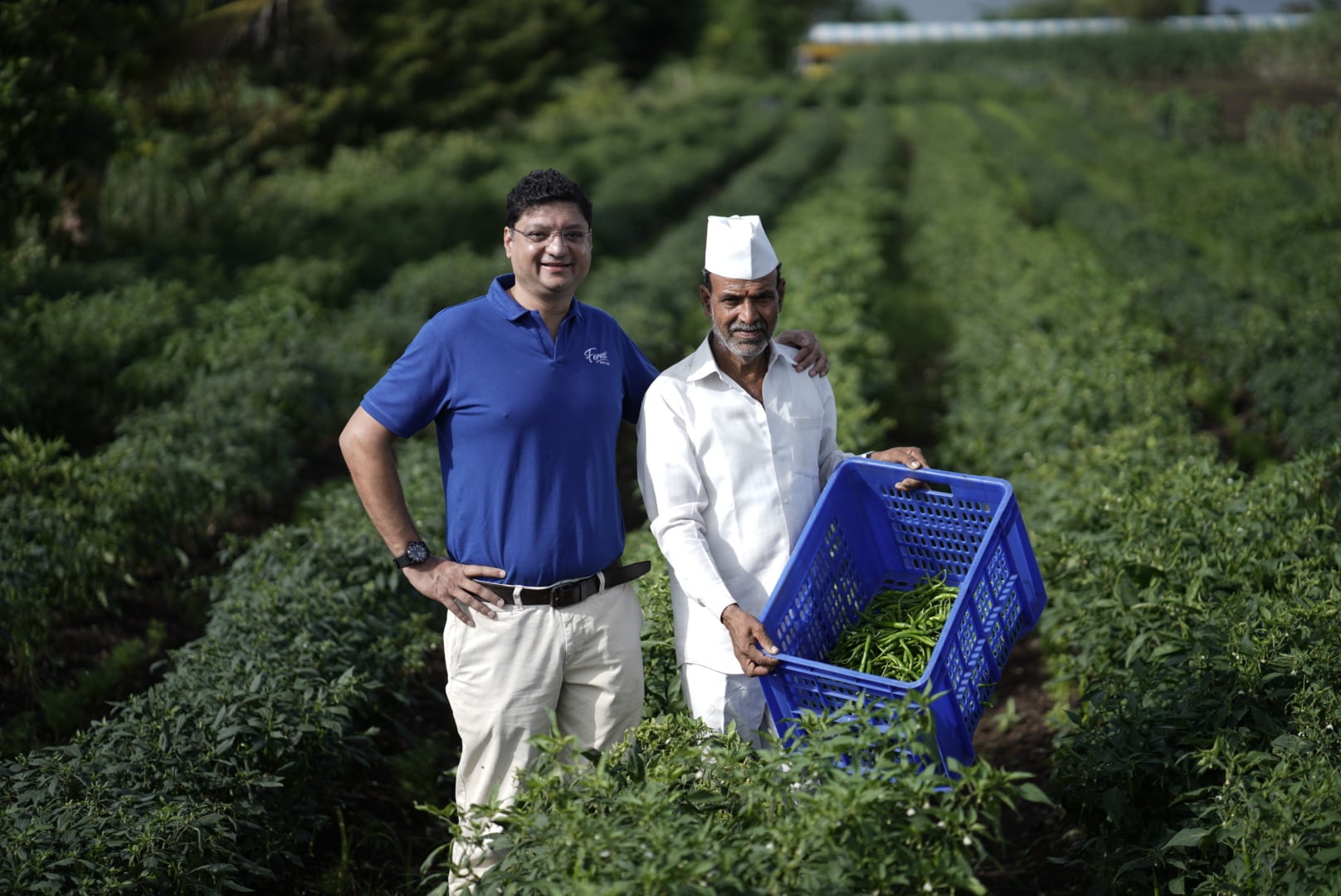
One of his first initiatives was the implementation of double-jacketed kettles, which prevented the charring of products, thereby preserving their nutritional integrity and taste. Brian also optimised production temperatures, significantly increasing the shelf life of the products without relying on excessive preservatives. A major milestone came in 2012 with the establishment of a new manufacturing facility surrounded by 40 acres of farmland. This strategic move allowed ingredients to move directly from farms to the factory, ensuring freshness while strengthening relationships with local farmers who cultivated crops without synthetic fertilisers, pesticides, or harmful chemicals.
Today, Ferns’ Food’s principal manufacturing facility is located at Khandala taluka, Satara district, where its renowned range of pickles, curry pastes, chutneys, jams, jellies, and other speciality products are manufactured. Strategically situated amid agricultural land, the facility supports the company’s farm-to-factory philosophy, enabling fresh produce to be processed soon after harvest while preserving its nutritional value and authentic taste. The company’s corporate and registered offices are also based in Maharashtra, with its administrative headquarters located in Pune.
As Ferns’ Food evolved, so did its commitment to modernisation. The entire production line—from fruit washing to cooking, bottling, capping, labelling, and shrink-wrapping—became fully automated. This modernisation not only increased efficiency, allowing the production of up to 10,000 bottles a day with just eight workers, but also enhanced quality control. In fact, the company has employed more quality control officers than production workers, ensuring that every product met the highest standards.
Health-consciousness has always been a cornerstone of the brand’s philosophy. The products use significantly less oil than most other brands, with pickles containing only 7-8 percent salt, compared to the industry standard of 17-18 percent. This allows the natural flavours of the fruits and spices to shine through, offering a healthier alternative without compromising on taste. The products are also pasteurised at 98 degrees centigrade for 40 minutes, ensuring safety and extending the shelf life to up to two years, compared to the typical eight months for other brands. Additionally, the brand avoids the use of artificial preservatives, relying instead on natural preservatives like oil, salt, turmeric, and vinegar.
This commitment to natural ingredients and health-consciousness extends to the entire product line, which is gluten-free, nut-free, dairy-free, and sugar-free, making it suitable for a wide range of dietary needs, including vegan diets. The only allergen used is mustard, essential for traditional pickles, but the company avoids other common allergens like sesame.
In the factory, the purity and safety of the products are paramount. The water used in production undergoes a 7-stage filtration system, ensuring that it is neutral in taste and preserves the natural flavours of the spices and fruits. The company also holds the BRC certification—a British food safety certification held by only 2 percent of food factories in India. This certification requires rigorous audits, including swab tests of the machinery and uniform validation processes, ensuring that production standards are among the highest in the industry.
The journey has not been without its challenges. After taking over the company, the young heir had to make tough decisions, including pausing sales in India to focus on exports. However, in 2018, he began re-establishing the brand’s presence in the Indian market. Despite the challenges posed by the COVID-19 pandemic, the brand resumed its efforts in 2022, expanding its reach through online sales via its website and Amazon. Today, the products are available in Mumbai, Pune, Gujarat, and Madhya Pradesh, and the brand continues to grow its footprint both domestically and internationally.
Cultural relevance and heritage have always been integral to Ferns’ Food’s identity. The recipes, many of which are authentic Goan creations passed down through generations, remain unchanged. The taste remains the same as when his grandmother first made them, preserving the culinary traditions that have been cherished by customers for decades. While the recipes stay true to their roots, the brand has also introduced new products like garlic pickle and butter chicken paste, driven by customer feedback and market demand.
Looking to the future, Ferns’ Food is focused on expanding its reach, both within India and internationally. With a strong presence in markets like the UK, Australia, Canada, and New Zealand, and a new partnership in the US, the company is poised for continued growth. The brand’s expansion strategy includes offering smaller, more affordable packaging to cater to tier 2 cities in India, ensuring that its high-quality, health-conscious products are accessible to a broader audience.
As Ferns’ Food continues to evolve, it remains committed to preserving India’s culinary heritage. The traditional recipes that have been passed down through generations are not only a testament to the brand’s rich history but also a promise of its future. With a dedication to quality, health, and innovation, the brand is well-positioned to carry its legacy forward, ensuring that its authentic Goan recipes remain a cherished part of India’s culinary landscape for generations to come.