
Struggling with weight is something most of us have faced at some point. With obesity becoming a global concern, it is no wonder people are constantly on the lookout for quick fixes—diets that promise fast results, detox teas, and yes, the ever-popular fasting trends.
Among these, water fasting has made a splash recently. While it is rooted in ancient traditions and spiritual practices, its revival today is driven by social media influencers and wellness gurus touting its weight loss and detox benefits. But is it actually helpful, or just another wellness fad that does more harm than good?
Let us dive into what water fasting really involves, the science behind it, and the very real pros and cons.
SO, WHAT EXACTLY IS WATER FASTING?
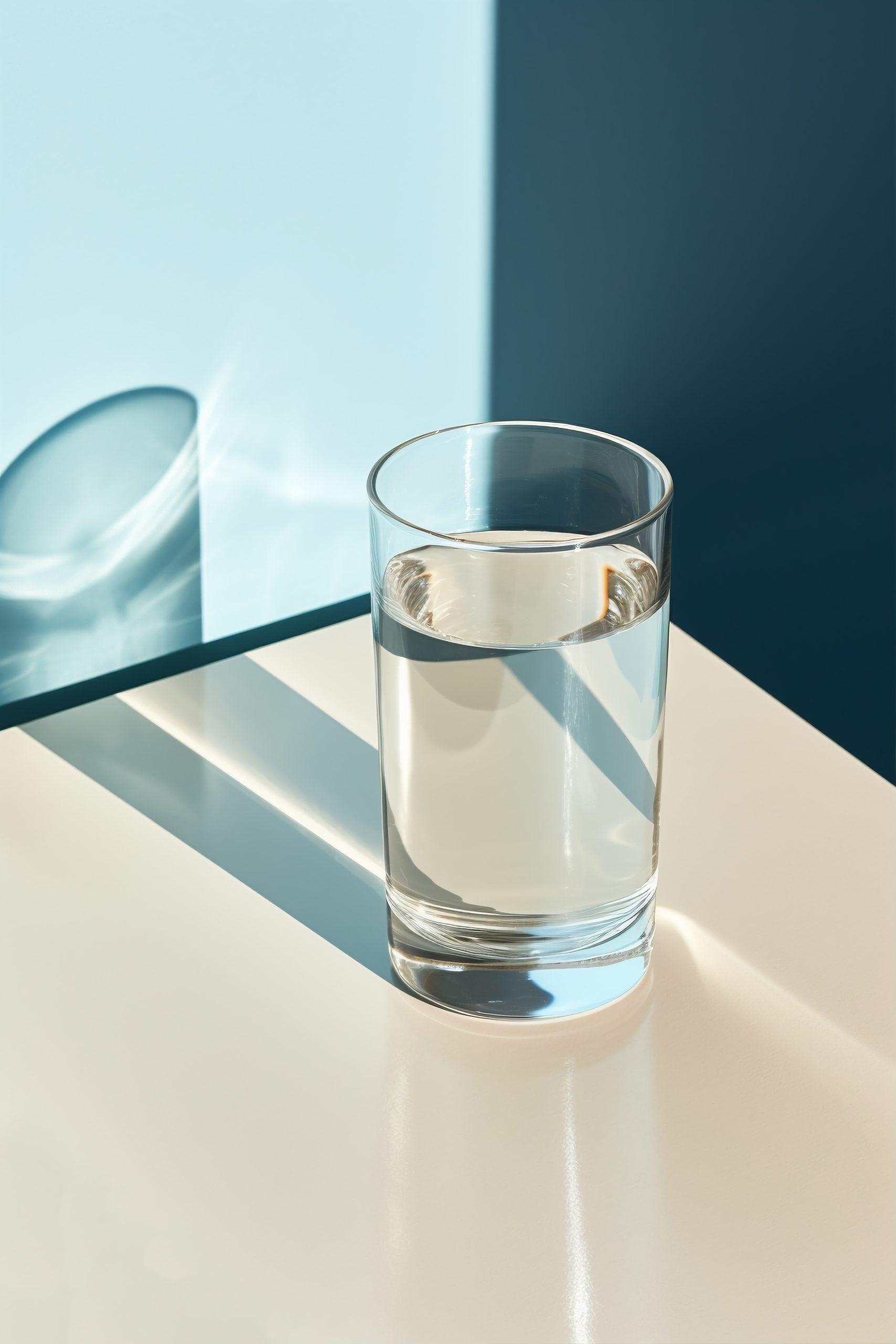
Water fasting is one of the most intense forms of fasting. It means consuming only water—no food, no tea, no juice, not even a piece of fruit—for a set period, typically between 24 to 72 hours.
This forces the body into a metabolic state called ketosis, where fat is burned for energy instead of glucose (the usual fuel from carbohydrates). This process is also thought to kickstart autophagy, where your cells essentially “spring-clean” themselves—getting rid of old, damaged parts and potentially reducing the risk of diseases like Alzheimer’s and cancer. Sounds impressive, right? But before you dive in, there is a lot more to understand.
WHY DO PEOPLE DO IT?
People fast on water for various reasons—some religious or spiritual, others purely for health.
- To lose weight
- Detoxify the body
- Lower blood pressure
- Manage chronic health issues
- Prepare for a medical procedure
BEFORE, DURING & AFTER: HOW WATER FASTING WORKS
Getting Started
You do not just wake up one day and start a 3-day water fast. Your body needs time to adjust. Experts recommend gradually reducing meal size or trying intermittent fasting beforehand. This makes the transition smoother and reduces the risk of dizziness or fatigue.
While You’re Fasting
For the next 24 to 72 hours, you consume nothing but water—about 2 to 3 litres daily. You will likely feel tired, and even light-headed. This is not the time for intense exercise, complex tasks, or long drives.
And remember, fasting beyond 72 hours without medical supervision is not safe. Your body needs fuel—and too much deprivation can backfire.
How to Break the Fast
This part is just as important as the fasting itself. After going without food for so long, your digestive system is extremely sensitive. Start with light liquids like coconut water or clear soup, then move to easy-to-digest solids like fruits or soft vegetables. This helps avoid refeeding syndrome, a dangerous condition where your body is overwhelmed by a sudden rush of fluid and electrolyte levels after fasting.
POSSIBLE HEALTH BENEFITS
Though limited, research and anecdotal evidence point to a few potential health perks:
- Boosts Autophagy: This cellular cleaning process may help reduce risks of conditions like cancer and neurodegenerative diseases—but most of these findings are based on animal studies, not humans.
- Lowers Blood Pressure: Some studies show that supervised water fasting might help people with high BP.
- Improves Metabolic Health: Fasting may increase sensitivity to insulin and leptin, key hormones that regulate hunger and blood sugar.
- Speeds Up Fat Burning: By triggering ketosis, your body burns fat for energy, leading to rapid short-term weight loss.
BUT… HERE’S THE CATCH
Despite the hype, water fasting is not a magic fix—and it is definitely not for everyone. Here is what you need to watch out for:
- Nutrient Deficiency: No food means no intake of essential nutrients—vitamins, minerals, proteins, or fats your body needs to function properly.
- Muscle Loss: Your body may break down muscle for energy if fasting continues too long.
- Dehydration & Electrolyte Imbalance: Yes, even while drinking water. It can lead to dizziness, fatigue, or even hyponatremia (low sodium levels).
- Low Blood Pressure (Orthostatic Hypotension): Dehydration caused due to water fasting can result in orthostatic hypotension (also known as postural hypotension), a condition where blood pressure drops significantly when a person stands up after sitting or lying down. You might feel dizzy or faint due to drop in blood pressure.
- Acid Reflux (GERD): An empty stomach can produce more acid, worsening heartburn or reflux.
- Diabetes Risk: Especially for people with Type 1 diabetes, fasting can lead to dangerously low blood sugar levels.
- Refeeding Syndrome: When you eat again after fasting, your body may struggle to process the sudden intake—causing serious complications.
- Kidney Stress: Fasting can strain your kidneys, especially if you already have existing issues.
- Worsening of Existing Conditions: Fasting may aggravate gout, eating disorders, or metabolic imbalances.
WHO SHOULD ABSOLUTELY AVOID WATER FASTING?
It is important to know that water fasting is not safe for everyone, including:
- Children and teens (under 18)
- Older adults (over 65)
- Pregnant or breastfeeding women
- People with chronic kidney disease (CKD)
- People with Type 1 diabetes
- Anyone with a history of eating disorders
If you fall into any of these groups, do not attempt water fasting without medical advice.
IS IT WORTH IT?
Water fasting may offer some short-term benefits—yes, you may lose a few kilos quickly. But that weight is often mostly water and muscle, not fat. And it tends to come back once you start eating normally again.
For lasting results and genuine health improvements, nothing beats a balanced diet, regular exercise, and a sustainable lifestyle. If you are curious about fasting, consider intermittent fasting or time-restricted eating, which are safer and more manageable.
Most importantly, consult a doctor or dietitian before trying any form of fasting—especially one as intense as water fasting. Your health is not worth risking for short-term goals.