
Discovering Wellness at Seoul’s Namdaemun Market: A First-Person Account
In a world increasingly focused on health and sustainable diets, experiencing firsthand how locals enjoy nutrient-dense meals in a communal atmosphere was eye-opening. Seoul’s community markets are not just a feast for the senses but also a gateway to understanding how traditional food practices promote balanced health and well-being. On a crisp October morning last year, I ventured into Namdaemun market, one of the oldest and largest in the city, known for its vibrant food stalls and cultural immersion. What I encountered was far beyond a simple culinary experience; it was a reflection of mindful eating habits deeply embedded in everyday life.
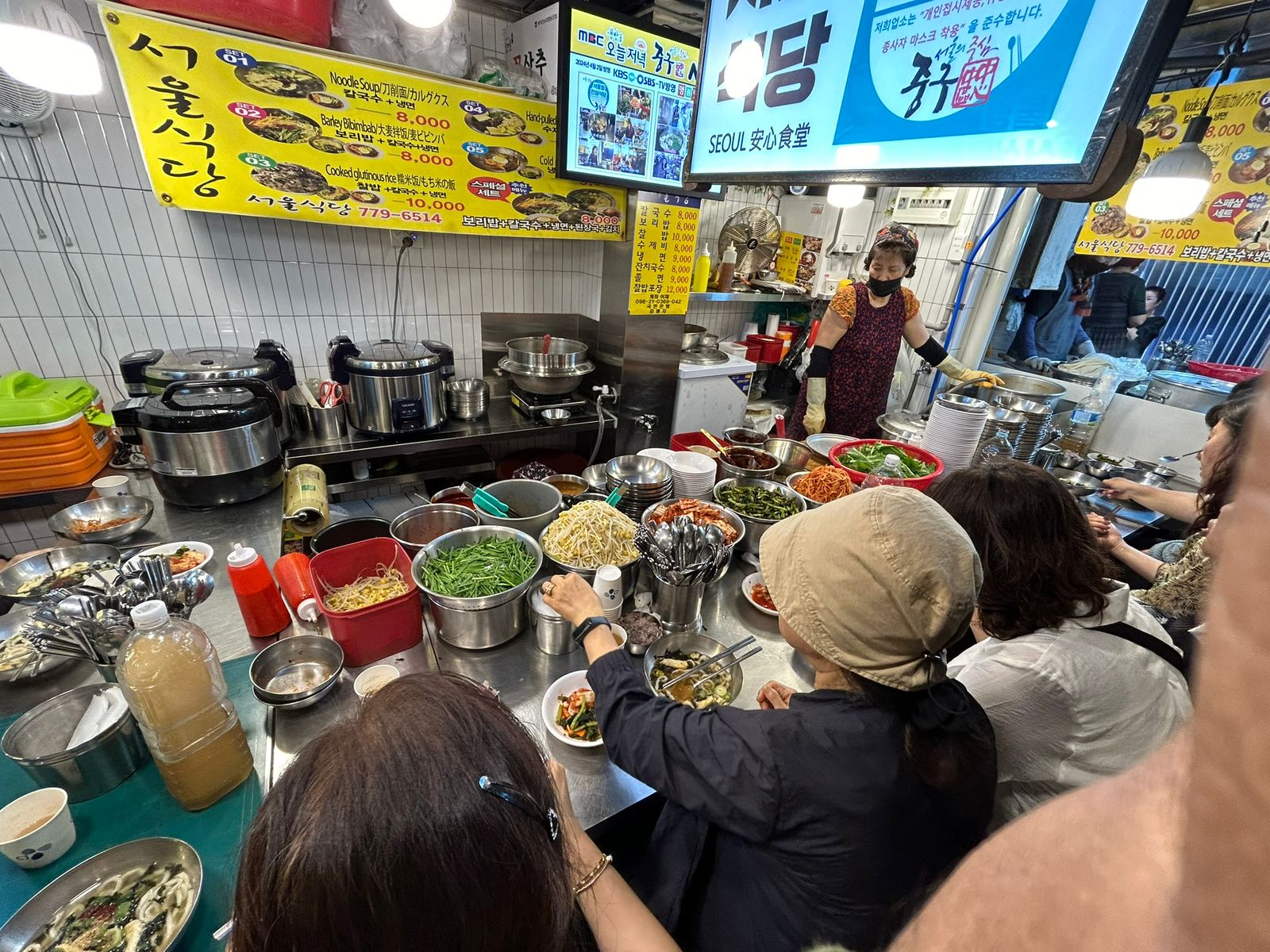
The market’s atmosphere was a fascinating blend of fast-paced interactions and a no-nonsense attitude towards food. I admired how efficiently people ate—no lingering conversations, just sit, eat, pay, and leave. Each vendor had a specific niche, making it easy to pick a dish, enjoy it on the spot, and move on. The simplicity of this process and the communal vibe gave the market a sense of equality. Whether wealthy or modest, everyone dined together at the same tables, contributing to a sense of shared experience.
During my visit, I tried a range of traditional Korean dishes. One of the highlights was the variety of soupy dishes, filled with leafy vegetables and accompanied by sticky rice in unusual hues—deep red and black. I learned that locals often eat modest portions and, if there are leftovers, they save them for a later snack or dinner. The habit of early and moderate eating is likely one of the reasons many locals maintain a fit, healthy appearance.
What struck me most was the emphasis on steamed and oil-free foods. Unlike the heavily spiced dishes I am used to, the Korean meals were light yet flavourful, demonstrating how simple ingredients can result in satisfying meals. The seafood, in particular, was a highlight, with vendors offering fresh squid and prawns, adding high-quality proteins to the mix. I also noticed the widespread presence of kimchi, a fermented vegetable dish known for its gut-friendly probiotics. Vendors proudly spoke about its health benefits—lowering blood sugar, supporting heart health, boosting immunity, and reducing inflammation. Though I did not feel immediate changes to my digestion, the lightness of these probiotic-rich meals was a welcome change. It made me realise how we, too, could integrate more fermented foods into our own diets for improved gut health.
Another interesting aspect was the seasonal approach to food. Vendors mentioned dishes that cater to the seasonal needs of the body—such as mul-naengmyeon, a cold noodle soup served to cool the body in summer. This practice reflects a deep-rooted awareness of how seasonal changes impact health and how food can naturally balance these effects. Throughout the market, there was little talk of organic or sustainably grown produce, though I suspect such products might be more common in upscale grocery stores. Nevertheless, the market felt remarkably hygienic, with fresh ingredients and a sense of care in food preparation. The food choices were also inherently balanced, offering a mix of grains, vegetables, and lean proteins, like in bibimbap.
What stood out was the flexibility to customise meals—you could avoid excessive sugar or fats by simply adding or skipping ingredients as desired. I opted for sikhye (sweet rice drink) and barley tea over sugary sodas, and these traditional drinks perfectly complemented the meals, offering a refreshing finish. Their subtle sweetness felt just right, enhancing the overall experience. Trying these drinks made me appreciate how such alternatives could replace sugary beverages in a healthy diet.
While I did not explore Community-Supported Agriculture (CSA) programs during this visit, the idea of buying seasonal, farm-fresh produce directly from local farmers aligns with my belief in supporting sustainable food practices. It is a concept I would consider incorporating into my lifestyle, as it promotes healthier eating and encourages farmers to continue their efforts. The experience at Namdaemun market was not just about food—it was about connection. The communal tables, shared meals, and interaction with vendors made me feel like I was part of something bigger. Supporting these farmers and vendors felt meaningful, knowing how hard they work to bring fresh produce to market. The atmosphere reinforced a sense of balance between tradition and modern life, where food is not only sustenance but also a way to build community and maintain health.
In retrospect, this journey into Seoul’s food culture left me with a deeper appreciation for mindful eating practices. The market demonstrated that healthy choices do not have to be complicated—they can be as simple as enjoying a bowl of soup or a fermented dish, savouring the flavours without excess. It is an approach to food and nutrition that I hope to carry forward, making small but significant changes in my own diet.