
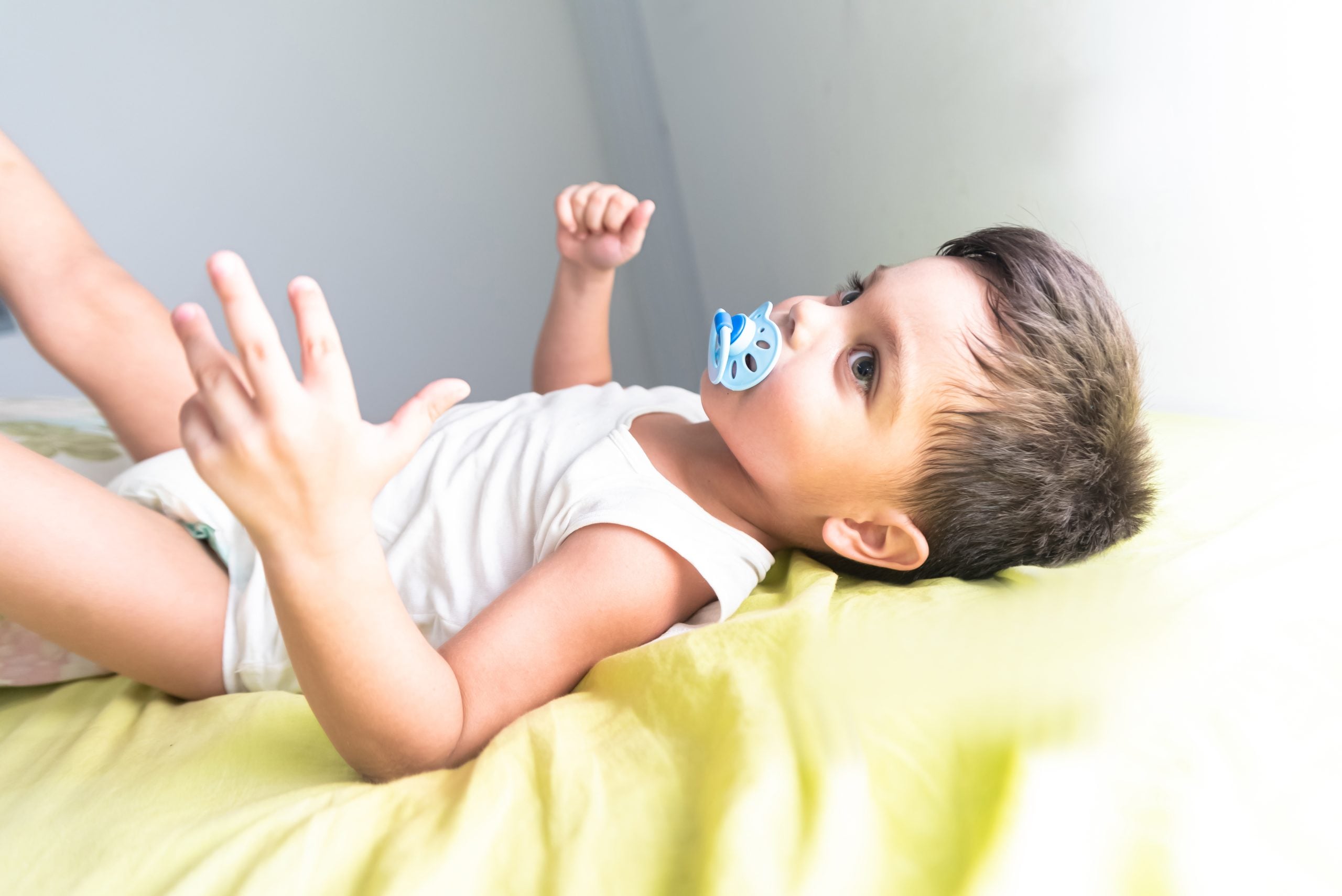
While soothers, commonly known as pacifiers, are popular tools for calming fussy babies, paediatricians often advise parents to avoid or limit their use due to potential health risks and developmental concerns. Although they offer short-term comfort, the downsides can outweigh the benefits if not used mindfully, says Dr. Anubha Shrivastava, professor and former head of the department of pediatrics at MLN Medical College, Prayagraj, who is also the in-charge of the Pediatric Nephrology Unit and the State Mentor for Newborn Services.
For many parents, however, pacifiers feel like an easy solution during moments of distress. “There were times when nothing seemed to calm my baby, and the pacifier felt like the only thing that worked,” shares a young mother Shreya Prakash who works in HITEC City (a major hub for global IT giants and MNCs) of Hyderabad. Another parent Sambedhna from Bengaluru admits, “We started using it to help him sleep, but gradually he began depending on it more than we expected.”
One of the primary concerns with soothers is hygiene. Infants, by nature, explore their surroundings through touch and taste, which means that pacifiers frequently end up on the floor or other contaminated surfaces. “Even with regular cleaning, maintaining complete hygiene can be challenging. The soother could become a carrier of bacteria or viruses, exposing the baby to gastrointestinal infections, colds, or other illnesses,” warns Dr. Shrivastava. Although some parents sterilise pacifiers frequently, this process can be time-consuming and difficult to maintain consistently.
Beyond hygiene, doctors raise concerns about the potential impact of soothers on oral development. Prolonged or improper use may hinder the natural growth of the palate and lead to dental issues, such as misaligned teeth. “The earlier parents introduce a pacifier, the higher the chance it may interfere with the healthy development of the child’s oral muscles,” says Dr. Shrivastava. This issue becomes more pronounced when pacifiers are used as a primary tool for soothing rather than as a temporary aid.
Another important issue is the possibility of “nipple confusion” in infants, especially those who are breastfed. Dr. Shrivastava explains, “Infants who become accustomed to the shape and feel of a pacifier may struggle to latch properly during breastfeeding. This can affect their feeding efficiency, potentially disrupting the breastfeeding process and, in turn, impacting their nutrition and growth.”
Instead of pacifiers, paediatricians encourage parents to explore alternative soothing techniques that promote bonding and healthy emotional development. These methods include skin-to-skin contact, gentle rocking, singing lullabies, or offering sensory toys appropriate for the child’s age. “These non-invasive methods not only provide comfort but also foster a sense of security and trust between parents and infants,” says Dr. Shrivastava. While pacifiers are not entirely without merit—they can offer temporary relief, especially in specific situations like long journeys or during vaccinations—paediatricians advise that their use be limited. “Parents need to strike a balance. If they choose to use a pacifier, it should be in moderation, with close attention to hygiene and the child’s overall well-being,” Dr. Shrivastava explains.