
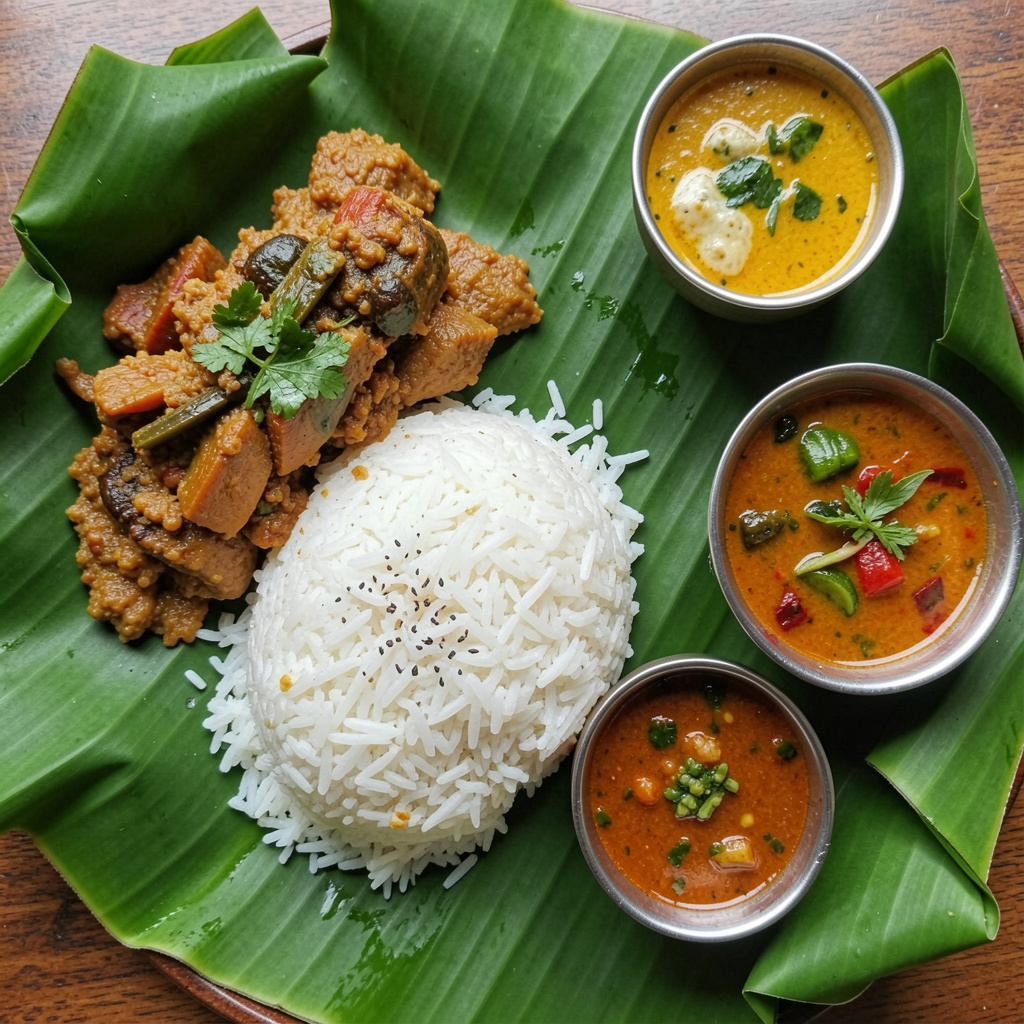
Consuming food on banana and lotus leaves is a part of traditional culture in India and Southeast Asia. According to Ayurveda, food is also like medicine, and the material in which food is served also matters as it can affect digestion and overall health.
Benefits of Eating on Banana Leaves
Banana leaves (kadali patra) are extensively used in ayurveda due to their sheeta (cooling) and rakta shodhaka (blood-purifying) action. They are large, strong, and waterproof by nature, so they are perfect to serve food. When banana leaves are used to serve hot food, useful phytochemicals such as polyphenols get incorporated into the food, increasing its nutritional quality. These plant-based antioxidants prevent oxidative stress and ama (toxins) formation in the body.
Furthermore, banana leaves have antibacterial effects, which help lower the chances of infection and preserve food cleanliness. In contrast to contemporary artificial plates, which have the potential to leach out toxic chemicals into food, banana leaves are eco-friendly, harmless, and lead to a satvik (pure and balanced) diet.
Ayurvedic Properties of Lotus Leaves
Lotus leaves (kamal patra) possess sheeta (cooling) and rakta-pitta shamak (pitta balancing and purifying blood) properties. In ayurveda, they are used to:
– Control pitta dosha, thus preventing acidity and inflammation.
– Facilitate digestion by minimising excess heat in the stomach.
– Affect blood sugar level because of the mild madhura-kashaya rasa (sweet and astringent flavour) that they possess.
– Cleansing the body through supporting the removal of toxins via the digestive tract.
Conventionally, ayurvedic medicine has utilised lotus leaves for the treatment of illnesses such as atisara (diarrhea), mada (dizziness), and jwara (fever). Their natural antiseptic nature assists in ensuring hygiene and food protection from contamination.
A Holistic and Sustainable Practice
Food served on banana and lotus leaves is in accordance with the ayurvedic concept of prakriti anusar bhojan (eating according to nature). These leaves provide the cleanliness of food, increase its medicinal value, and encourage an environmentally friendly way of living. As they are biodegradable, they add to bhumi sneha (earthly love), encouraging sustainable and zero-waste living.
Adopting this practice not only links us to our heritage but also facilitates digestion, keeps the doshas in balance, and brings us closer to an integrated way of life.