
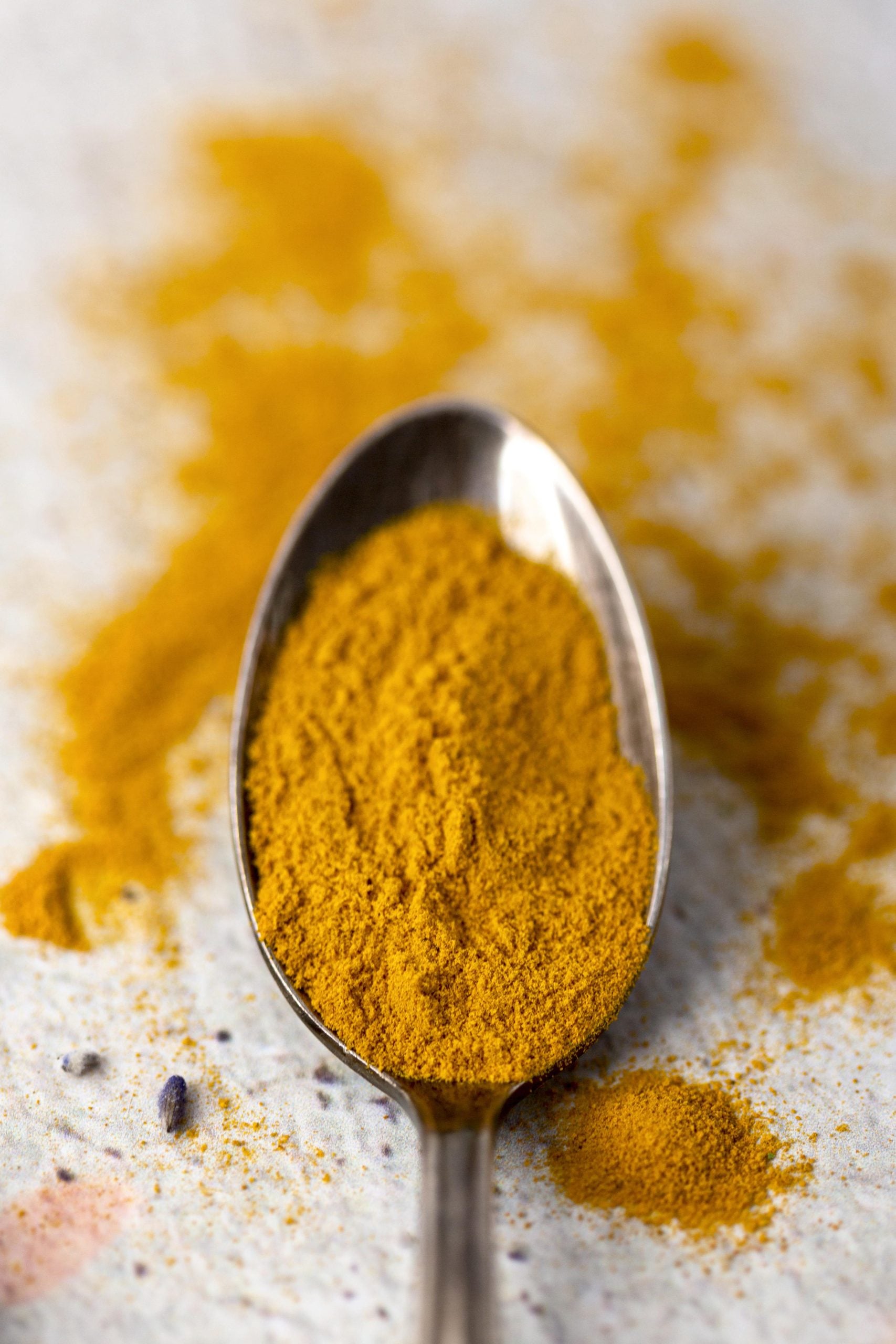
Turmeric, especially its active compound curcumin, is celebrated for its numerous health benefits, including anti-inflammatory and antioxidant properties. However, consuming excessive amounts of turmeric can lead to several side effects that individuals should be aware of to make informed decisions about its usage.
One of the primary concerns with high doses of turmeric is gastrointestinal issues. Turmeric stimulates the stomach to produce more gastric acid, which can cause digestive problems such as nausea, diarrhoea, and stomach cramps, particularly in individuals with sensitive stomachs or those prone to acid reflux. Furthermore, turmeric is high in oxalates, compounds that can bind to calcium and form insoluble calcium oxalate, a primary component of kidney stones. This means that consuming large amounts of turmeric may increase the risk of developing kidney stones in susceptible individuals.
Another significant concern is turmeric’s natural blood-thinning properties. While beneficial in preventing blood clots, excessive consumption can increase the risk of bleeding. This risk is particularly relevant for individuals taking blood-thinning medications or preparing for surgery, as turmeric can enhance the effects of anticoagulant drugs like warfarin, further increasing bleeding risk.
Additionally, curcumin, the active compound in turmeric, can interfere with iron absorption, potentially contributing to iron deficiency in individuals prone to anaemia or those with low iron levels. While moderate amounts of turmeric can support liver health, excessive intake may cause liver problems. Some studies have indicated that high doses of curcumin supplements could lead to liver toxicity. Allergic reactions are another potential issue, as some individuals may be allergic to turmeric. Symptoms can include rashes, hives, and, in rare cases, anaphylaxis. If any allergic symptoms occur, it is crucial to discontinue use and seek medical advice.
Turmeric can also interact with various medications, including anticoagulants, antiplatelet drugs, diabetes medications, and drugs that reduce stomach acid. These interactions can alter the effectiveness of medications or increase the risk of adverse effects, making it essential for individuals to consult healthcare professionals before significantly increasing their turmeric intake. To minimise the risk of side effects, it is advisable to stick to moderate amounts of turmeric in the diet.
For general health benefits, 1-2 teaspoons (about 2-4 grams) of turmeric powder per day is typically considered safe. For therapeutic purposes, curcumin supplements ranging from 500 to 2,000 milligrams per day are often used, but these should be taken under the guidance of a healthcare provider. Dr Shashikant Rai Medical Doctor at Prayagraj’s Jaggottam Ayurveda Panchkarma Centre says, “According to ayurveda, anything taken in excess can turn harmful—a principle described as heena yoga (too little), ati yoga (too much), and mithya yoga (wrong use). Turmeric is considered pitta-vardhak, meaning it increases digestive fire (agni), which is essential for good digestion and preventing the formation of ama (undigested toxins). Its active compound, curcumin, supports immunity and has anti-inflammatory and protective properties when used correctly.”
However, excessive intake overstimulates agni, leading to problems such as acidity, irritation of the digestive tract, and strain on the liver. In ayurveda, even a beneficial substance can become toxic if overused, adds Dr Rai. “Limiting turmeric intake to about 5 grams per day (maximum 7.5 grams). Used in moderation, turmeric acts as medicine; in excess, it can disturb the body’s balance rather than heal it.
He also stresses that turmeric should be consumed according to an individual’s balābala — their strength and capacity. “Children and the elderly cannot tolerate the same quantities as healthy adults,” he says.
While turmeric offers numerous health benefits, excessive consumption can lead to adverse effects. Moderation is key, and individuals should consult with healthcare professionals, especially if they have underlying health conditions or are on medication, before significantly increasing their turmeric intake.