
Wednesday, October 21, 2026
  • Login
Swaasth Space
  • Home
  • Holistic Wellness
  • Mind Matters
  • Nutrition
  • Young Lives
  • Vedic Roots
  • Heritage Science
No Result
View All Result
  • Home
  • Holistic Wellness
  • Mind Matters
  • Nutrition
  • Young Lives
  • Vedic Roots
  • Heritage Science
No Result
View All Result
Swaasth Space
No Result
View All Result

Food Pyramid: Comprehensive Guide for Children’s Nutrition

Dr. Anubha Shrivastava by Dr. Anubha Shrivastava
October 20, 2026
in Young Lives
0
Food Pyramid: Comprehensive Guide for Children’s Nutrition

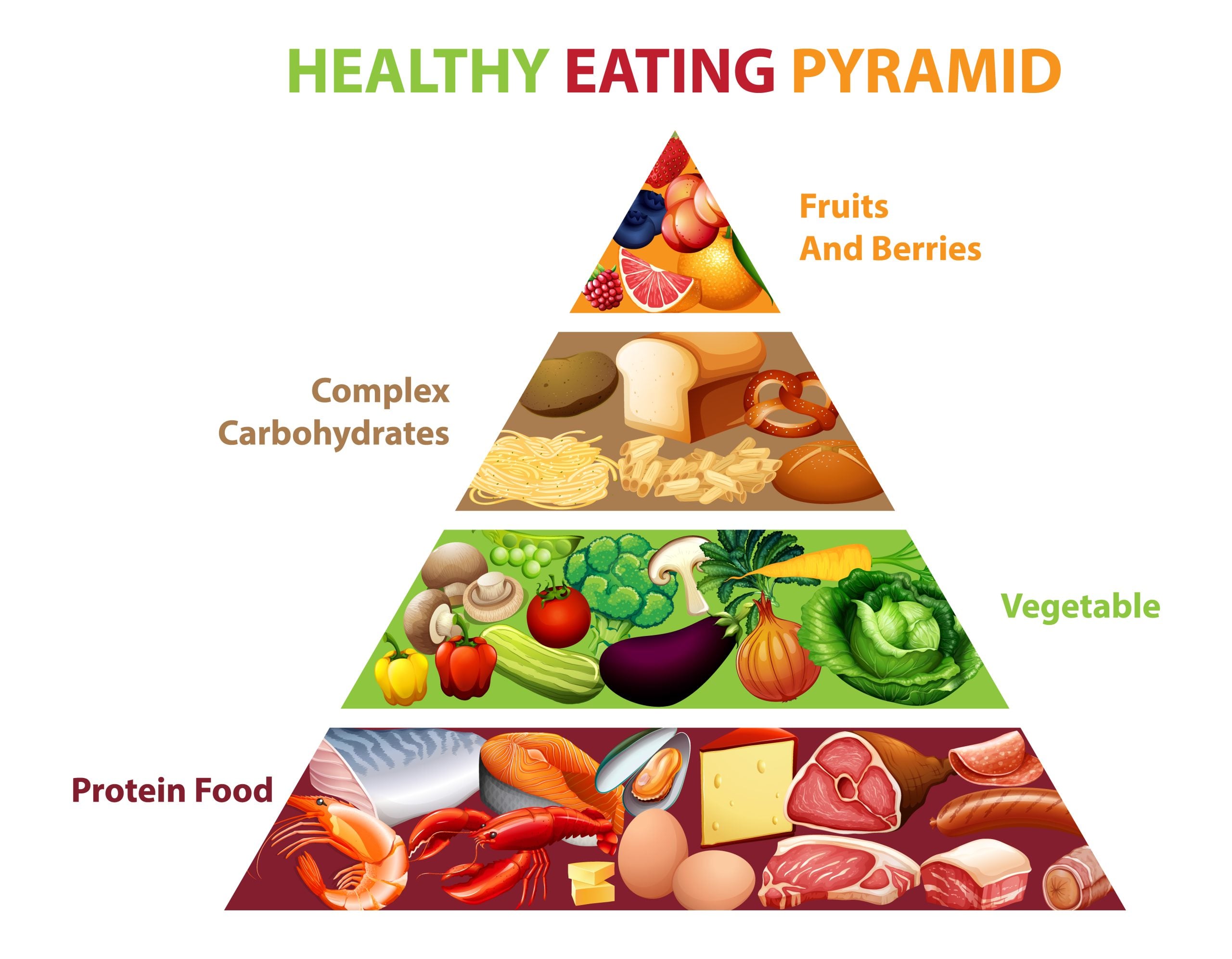
Healthy eating pyramid chart illustration

0
SHARES
20
VIEWS
Share on FacebookShare on Twitter

The food pyramid is a visual representation of a balanced diet, highlighting the types and proportions of food groups that children need to thrive. Designed to promote healthy eating habits, the pyramid organises food into layers based on their nutritional value and recommended daily intake.

At the base of the pyramid lies the largest section, which comprises whole-grain cereals such as bread, potatoes, roti, and rice—common staples in the Indian diet. These foods serve as primary sources of carbohydrates, the body’s main energy provider, essential for day-to-day activities. For children, especially teenagers, it is recommended to consume 3 to 5 servings daily, with an allowance of up to 5 to 7 servings during periods of high activity or growth.

The next layer includes vegetables and fruits, rich in vitamins, minerals, and fibre. These foods contribute essential micronutrients necessary for growth and overall health. Additionally, their vibrant colours and versatility make them appealing to children. Careful presentation, such as cutting vegetables and fruits into creative shapes, can encourage children to eat more of these nutrient-rich foods.

Above the fruits and vegetables are dairy products such as milk, cheese, paneer, and lassi, which provide calcium and protein to support bone development and muscle growth. A daily intake of 2 to 3 servings is recommended, with a preference for reduced-fat or fat-free options for long-term health benefits.

The next layer consists of protein-rich foods, including meat, poultry, fish, eggs, beans, and nuts. These foods are essential for muscle repair, immune health, and overall growth. It is advised to consume 2 servings daily, with fish included at least twice a week for its omega-3 fatty acids, which promote brain development and heart health. Vegetarian sources of omega-3 fatty acids include walnuts, ghee, soybean oil, and kidney beans (rajma). Processed protein sources like sausages, however, should be avoided due to their high sodium and preservative content.

Near the top of the pyramid are fats and oils, which should be consumed sparingly. Foods such as butter, ghee, and cheese provide necessary fats, but their intake should be limited to the smallest quantities possible. Opt for healthier fat sources like mono- or polyunsaturated fats, light spreads, and reduced-fat options. Using cooking methods like grilling, steaming, air frying, or baking can further minimise the use of oils while retaining the food’s nutritional value.

Finally, at the very top of the pyramid are sugary and salty foods, which include recreational snacks like candies, chips, and sugary beverages. While these are not essential for a child’s health, occasional indulgences are a part of growing up. These foods and drinks should be consumed in moderation and avoided as daily staples to prevent unhealthy eating habits and addiction.

 The food pyramid underscores the importance of balance, variety, and portion control in a child’s diet. By following the pyramid, children can receive all the essential nutrients they need for physical and mental growth while minimising the intake of less healthy foods. Parents and caregivers play a critical role in creating appealing and nutritious meals that align with these guidelines, fostering lifelong healthy eating habits.

 

Tags: balanced dietfood pyramidhealthy eating habitskids healthnutrition for kidsparenting tipsschool health
ShareTweetSend
Previous Post

RO vs Alkaline Water: What’s Healthier for Everyday Drinking?

Next Post

Maximising Nutrition: Understanding the Importance of Nutrient Sequencing

Dr. Anubha Shrivastava

Dr. Anubha Shrivastava

Dr Anubha Shrivastava, MBBS, MD (Pediatrics), is Professor and former Head of the Department of Pediatrics at MLN Medical College, Prayagraj, Uttar Pradesh. With over 20 years of experience in pediatrics, she is the In-charge of the Pediatric Nephrology Unit and serves as the State Mentor for Newborn Services. She completed her ISPN Fellowship in Pediatric Nephrology from the All India Institute of Medical Sciences (AIIMS), New Delhi, and has extensive clinical, teaching and research experience in child health. Dr Shrivastava has been actively involved in advancing pediatric nephrology, neonatal care and newborn health services. Her areas of expertise include pediatric nephrology, newborn health, childhood nutrition, and the prevention and management of common childhood illnesses.

Related Posts

Intuitive Eating – How Effective It Is?
Young Lives

Puberty Diet Guide for Teens

October 20, 2026
A New Way to Understand ADHD
Top Stories

A New Way to Understand ADHD

October 20, 2026
World Record at 16: Nisha’s Health Blueprint
Young Lives

World Record at 16: Nisha’s Health Blueprint

October 20, 2026
Alarming Rise in Sugary Drinks Consumption Among Youth
Young Lives

Alarming Rise in Sugary Drinks Consumption Among Youth

October 20, 2026
Next Post
Maximising Nutrition: Understanding the Importance of Nutrient Sequencing

Maximising Nutrition: Understanding the Importance of Nutrient Sequencing

Leave a Reply Cancel reply

Your email address will not be published. Required fields are marked *

I agree to the Terms & Conditions and Privacy Policy.

  • Trending
  • Comments
  • Latest
Choosing Right Salt for Better Health

Choosing Right Salt for Better Health

October 20, 2026
India’s Transplant Revolution

India’s Transplant Revolution

October 20, 2026
Mindfulness in a Fast-Paced World

Mindfulness in a Fast-Paced World

October 20, 2026
The Silent Digestive Disorder We Often Ignore

The Silent Digestive Disorder We Often Ignore

October 20, 2026
Why Cooking in Iron Vessels Still Matters

Why Cooking in Iron Vessels Still Matters

1
The Sunshine Paradox

The Sunshine Paradox

0
How Diet Affects the Brain!

How Diet Affects the Brain!

0
The Timeless Twig: How Datoon Stays Relevant in Modern Oral Care

The Timeless Twig: How Datoon Stays Relevant in Modern Oral Care

0
The Sole Vital Sign

The Sole Vital Sign

October 20, 2026
Intuitive Eating – How Effective It Is?

Puberty Diet Guide for Teens

October 20, 2026
Food Traditions for the Postpartum Journey

Food Traditions for the Postpartum Journey

October 20, 2026
Brain Fog: Is It Real or Just a Perception?

Brain Fog: Is It Real or Just a Perception?

October 20, 2026

Recent News

The Sole Vital Sign

The Sole Vital Sign

October 20, 2026
Intuitive Eating – How Effective It Is?

Puberty Diet Guide for Teens

October 20, 2026
Food Traditions for the Postpartum Journey

Food Traditions for the Postpartum Journey

October 20, 2026
Brain Fog: Is It Real or Just a Perception?

Brain Fog: Is It Real or Just a Perception?

October 20, 2026
Swaasth Space

© 2026 Swaasth Space "All Rights Reserved"

Navigate Site

  • About Us
  • Contact Us
  • Privacy Policy
  • Advertise With Us

Follow Us

Welcome Back!

Login to your account below

Forgotten Password?

Retrieve your password

Please enter your username or email address to reset your password.

Log In
No Result
View All Result
  • Home
  • Holistic Wellness
  • Mind Matters
  • Nutrition
  • Young Lives
  • Vedic Roots
  • Heritage Science

© 2026 Swaasth Space "All Rights Reserved"

This website uses cookies. By continuing to use this website you are giving consent to cookies being used. Visit our Privacy and Cookie Policy.