
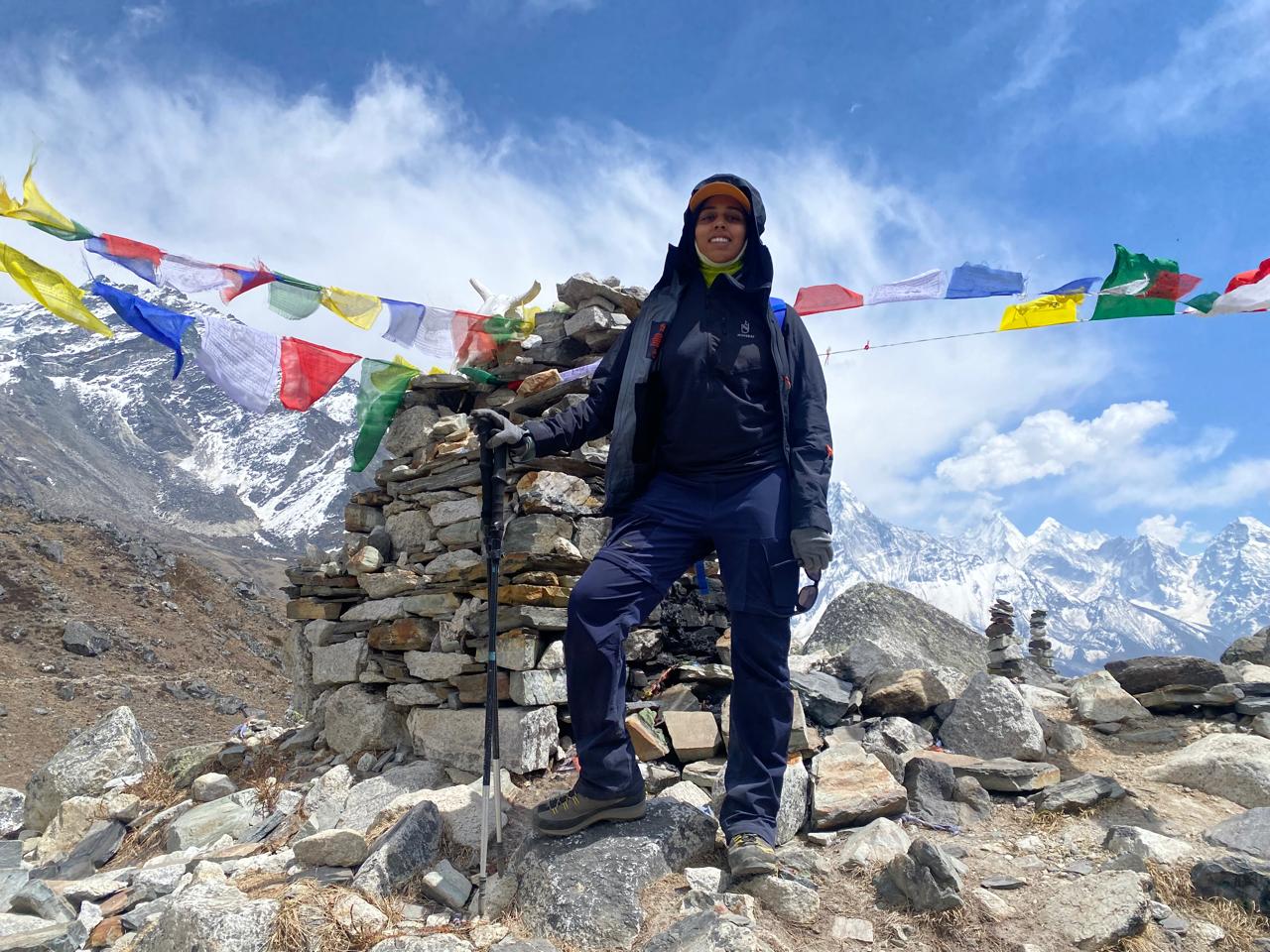
At just 16 years and 80 days, Chennai’s Nisha Sasikumar became the youngest female in the world to summit Mount Everest via the South Col route, scaling the world’s highest peak on May 25 after an arduous 18-hour climb from the Nepal side. In doing so, she surpassed the previous record by 190 days, proving that age is no barrier to extraordinary achievement.
In an exclusive conversation with Swaasth Space, Nisha reveals that her success was built not merely on technical climbing skills but on months of disciplined preparation where nutrition, structured training, recovery and mental resilience played equally important roles. “Every expedition begins long before stepping onto a mountain,” she says—a philosophy that shaped every aspect of her Everest campaign.
A Class XII student of Cambridge (UK) and NIOS-affiliated APL Global School, Chennai, Nisha has already climbed Mt. Elbrus (Europe), Mt. Kilimanjaro (Africa), Mt. Kosciuszko (Australia), Carstensz Pyramid (Indonesia) and Mt. Aconcagua (South America). With only Mt. Vinson in Antarctica and Mt. Denali in North America remaining, she is now in the final phase of the prestigious Seven Summits Challenge.
Nutrition: Fuel for Performance
For Nisha, nutrition is not simply about eating well—it is a performance strategy. Her training diet is designed to help the body recover quickly while simultaneously building endurance and strength. Daily meals revolve around balanced nutrition, including traditional South Indian breakfasts, whole grains or rice, vegetables, lean proteins and fresh fruits, while hydration remains a non-negotiable part of her routine.
“I make sure I drink at least two to three litres of water every day because recovery begins with taking care of your body,” she says.
High-altitude expeditions, however, demand an entirely different nutritional approach. With appetite decreasing as altitude increases, meals are chosen for their calorie density and ease of digestion. Soups, noodles, potatoes, rice, dried fruits, nuts, chocolates and energy bars become staples during the climb. Staying hydrated is equally critical, as cold weather masks dehydration despite the body losing significant amounts of fluid.
Preparing the Body for Thin Air
Everest is one of the harshest environments on Earth, where freezing temperatures, powerful winds and oxygen levels that are nearly one-third of those at sea level test even the fittest climbers.
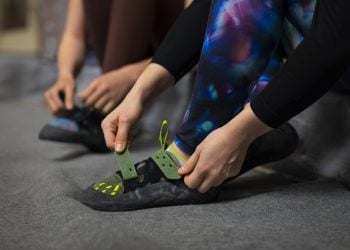
Preparation for the expedition began nearly six months in advance. Nisha followed a rigorous schedule combining endurance workouts, strength training, stair climbing with a weighted backpack, hiking, swimming and cardiovascular conditioning. Weekends were dedicated to long-distance cycling and running, while technical rock-climbing sessions helped prepare her for the demands of Everest.
“The biggest challenge was definitely the combination of low oxygen, freezing temperatures, harsh winds and physical exhaustion. Even simple tasks become difficult above 8,000 metres,” she recalls.
Previous expeditions also played a crucial role in helping her body adapt to thinner air and recognise the early symptoms of altitude sickness. For Nisha, the objective was never to climb quickly but to climb wisely.
“On Everest, success isn’t about climbing fast—it’s about climbing safely and making good decisions.”
Inspired by Family
Nisha’s passion for the mountains began long before she wore climbing boots.
Her father, Sasikumar Gendham, an avid trekker and President of ELCINA (Electronic Industries Association of India), introduced her to the outdoors through stories of his Himalayan expeditions. Those stories sparked a fascination that soon became a shared passion.
“When I turned 14, my father started taking me on weekend treks. That same year I climbed Mt. Elbrus, and today he is my biggest supporter and climbing partner,” she says.
Many of Nisha’s expeditions are undertaken alongside her father, whose experience has been invaluable throughout her mountaineering journey. Behind every climb is the quiet support of her mother, Aruna, a microbiologist, who has helped her balance demanding training schedules, academics and travel while providing constant encouragement.
Recovery: Where the Body Grows Stronger
Training may prepare the body, but recovery is what allows it to improve.
Nisha considers adequate sleep, stretching, hydration and proper post-workout nutrition to be as important as the training sessions themselves. She consciously includes lighter recovery days instead of pushing herself relentlessly, believing that consistency is more valuable than overtraining.
“Recovery is where your body actually becomes stronger,” she says.
The same philosophy guided her return after Everest. Rather than rushing back into intensive workouts, she gradually rebuilt her fitness, allowing her body sufficient time to heal and reduce the risk of injury before beginning preparations for the next expedition.
Training the Mind
Everest demands resilience not only from the body but also from the mind.
Instead of thinking about the enormity of the climb, Nisha focuses on immediate, achievable goals—sometimes simply the next few steps. Controlled breathing, positive self-talk and trust in months of preparation help her remain calm even in extreme conditions.
“One of the biggest lessons I’ve learnt is that courage doesn’t mean not feeling afraid. It means staying calm, making good decisions and continuing safely despite the fear.”
Balancing Books and Mountains
Despite spending months training and travelling, Nisha continues to prioritise her education. Careful planning, support from her school and supplementary online classes have enabled her to balance academics with elite-level mountaineering.
The financial commitment, however, has been significant. Her Everest expedition cost nearly ₹75 lakh, entirely funded by her parents.
“I would be delighted to receive corporate sponsorships to support my future expeditions,” she says, hoping that more organisations will back young Indian athletes pursuing global ambitions.
The Road Ahead
With Everest behind her, Nisha is now preparing for the final stage of the Seven Summits Challenge. She plans to climb Mt. Vinson (4,892 m) in Antarctica in November 2026, followed by Mt. Denali (6,190 m) in North America in May 2027. Successfully summiting these two mountains would place her among the select group of mountaineers worldwide to have climbed the highest peak on each of the seven continents.
Beyond records and summits, Nisha hopes her journey encourages young people to embrace healthy habits, stay disciplined and trust the process rather than comparing themselves with others.
Her message is simple: “Get to Day One, not One Day.”
For Nisha Sasikumar, Everest was not conquered in 18 hours. It was conquered through months of thoughtful preparation, disciplined nutrition, patient recovery and the belief that every extraordinary achievement begins with one small, consistent step.