
Expert input: Dr Pragya Rao, Ayurveda Doctor
Long before skincare aisles and haircare serums filled our shelves, beauty quietly resided in our kitchens. It was passed down through stories, rituals, and the gentle guidance of a Nani or Dadi. These remedies focused not just on appearance but also on care, patience, and an understanding of nature’s rhythms. Rooted in traditional observations and generational practices, they are best seen as supportive approaches rather than substitutes for medical advice.
“Skin (twak) was understood as a reflection of inner health, especially the state of rasa dhatu (body fluids/plasma) and rakta dhatu (blood tissue), along with the strength of agni (digestive fire/metabolism). Our grandmothers may not have used clinical terms, but their nuskhe were perfectly aligned with Ayurvedic wisdom,” says Mumbai-based Ayurveda doctor Pragya Rao.
These remedies, passed down through generations, were never rushed. They were rituals—done with patience, awareness, and an understanding of one’s body. And today, as we slowly return to mindful living, these practices feel more relevant than ever.
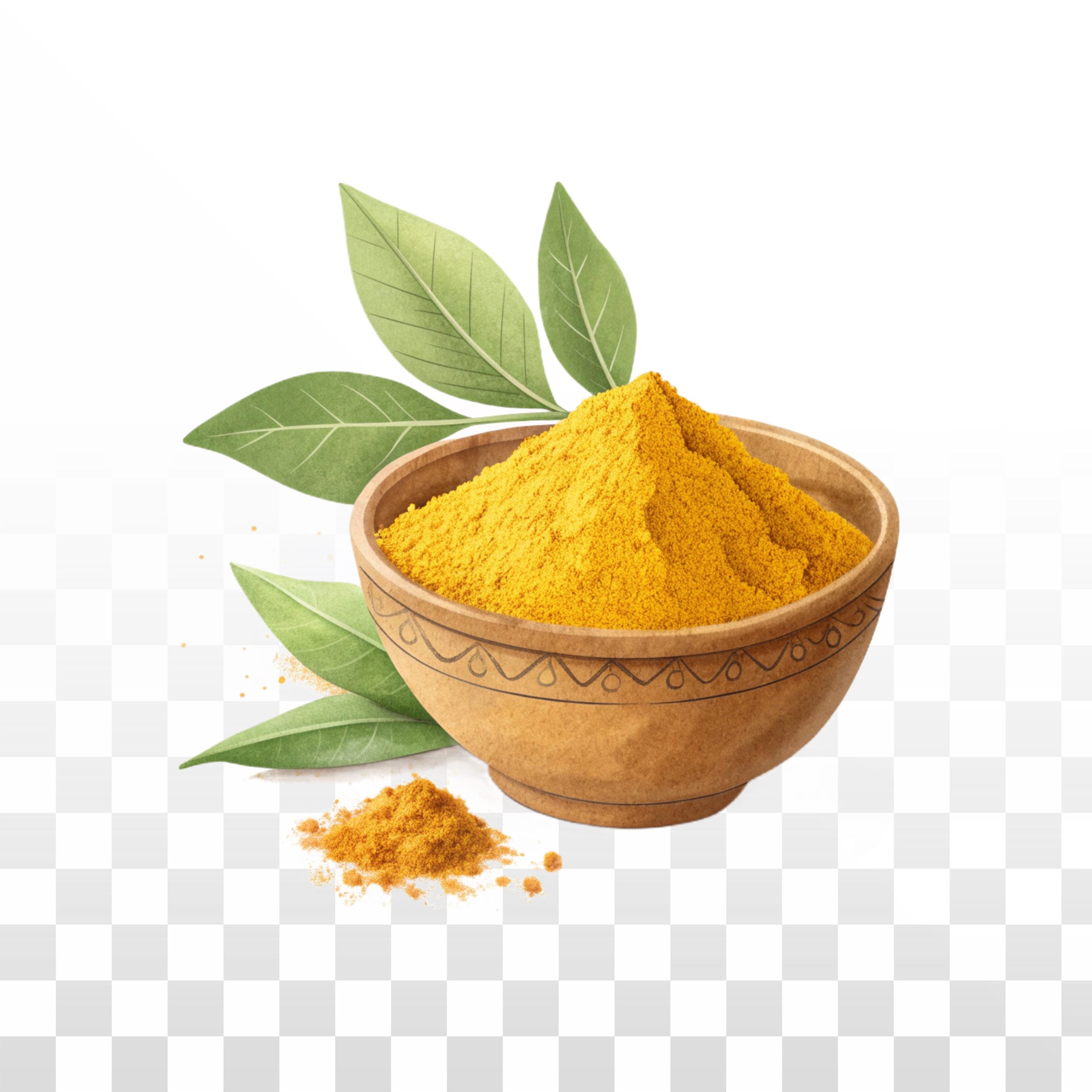
One of the most iconic remedies is ubtan, a traditional herbal paste that beautifully aligns with the Ayurvedic concept of lepa (topical application). Made with besan, curd, and a pinch of turmeric, it works as a gentle exfoliant while enhancing complexion (varnya karma—improving skin tone). Dr Rao shares, besan helps in removing dead skin through its lekhana (scraping/exfoliating) property, turmeric acts as kusthaghna (useful in skin disorders), and curd provides nourishment. Together, they cleanse, brighten, and restore balance—especially in kapha-pitta skin types.
How to make this: In a small bowl, combine 4 tablespoons of besan, 2 tablespoons of dahi, and ½ teaspoon of turmeric powder. Mix until smooth. Apply to the desired areas, gently massage, and leave on for 10 minutes. Wipe off with a clean damp cloth and rinse with lukewarm water if needed.
Benefits: Ubtan is a true all-rounder. Besan gently exfoliates, removing dead skin cells without triggering breakouts. Yogurt moisturises and introduces beneficial probiotics, while turmeric brightens the skin and offers antifungal properties. It can also be prepared in larger batches and stored in the refrigerator for up to two weeks.
Pro-tip: Use turmeric sparingly—it can stain the skin (a lesson learned the hard way!).
Equally simple yet effective is the use of wheat flour dough (atta) for skin polishing. This practice resembles udvartana (herbal exfoliation therapy), where dry or semi-dry substances are used to exfoliate and stimulate the skin. The slightly rough texture helps in removing fine hair and dead cells, leaving the skin soft and smooth. It works particularly well for kapha-dominant skin but should be used cautiously in individuals with vata tendencies due to its drying nature, says the doctor.
How to make this: Mix 3 tablespoons of wheat flour, 2 teaspoons of water, and 4–5 drops of oil to form a slightly rough dough. Apply to the face or arms, let it dry for 10 minutes, then rub it off gently. Rinse and follow with a soothing moisturiser or gel.
Benefits: This method is gentle and effective for removing peach fuzz while exfoliating the skin. The gluten binds with oil and water to grip dead skin and fine hair, leaving behind a natural, soft finish.
Note: Avoid using on areas with coarse hair, as it may cause discomfort.
Another beautiful example of Ayurvedic wisdom is the use of orange peel powder. Known for its amla rasa (sour taste) and antioxidant properties, it supports rakta dhatu (blood tissue) and improves skin texture and glow. Though the process of drying and powdering the peels takes time, it reflects the Ayurvedic principle of mindful preparation—where the effort itself becomes part of healing.
How to make this: Mix 1 tablespoon of orange peel powder with 1 tablespoon of water and a few drops of rose water (optional). Apply evenly and leave on for 15–20 minutes before rinsing with room-temperature water.
Benefits: Rich in vitamin C, orange peels support collagen production and improve skin elasticity. Their antioxidant properties impart an instant glow and even tone.
Tip: Best used at night, as vitamin C can increase sun sensitivity.
In many households, coffee and honey are used together as a quick glow-enhancing mask. While coffee is not classical, its effects can still be understood through Ayurveda. Dr Rao explains, “Honey (madhu) is yogavahi (a catalyst that enhances the action of substances it is combined with) and also has lekhana (scraping/exfoliating) properties.” Combined with coffee’s stimulating effect on circulation, this mixture helps reduce tanning and brings a natural radiance to the skin.
How to make this: Mix equal parts instant coffee and honey. Apply in circular motions, leave on for 15–30 minutes, then rinse with warm water. Use twice a week. For targeted exfoliation, mix 1 teaspoon coffee grounds with ½ teaspoon honey and scrub gently for 2–3 minutes once a week.
Benefits: Coffee helps reduce tanning and improves circulation, while antioxidants soothe the skin. Its caffeine content can minimise dark circles, and vitamin B3 (niacin) may help protect against certain skin concerns.
For acne and inflamed skin, neem (nimba) stands out as one of the most powerful remedies. With its tikta rasa (bitter taste) and kashaya rasa (astringent taste), it works as raktashodhaka (blood purifier) and kusthaghna (useful in skin disorders). When used in the form of ice cubes, it not only reduces acne but also soothes inflammation and tightens pores. However, due to its intense sheeta guna (cooling property), it should be avoided in excess during colder seasons or in vata prakriti individuals.
How to make these: Boil 10–15 neem leaves in 250 ml water for 5–10 minutes. Cool, strain, and freeze the liquid in an ice tray. Use after cleansing.
Benefits: Neem’s antibacterial and anti-inflammatory properties help combat acne and regulate oil production. The ice tightens pores and soothes irritated skin.
A remedy as simple as raw milk cleansing holds deep Ayurvedic significance. Milk (ksheera) is madhura (sweet/nourishing) and supports ojas (vital energy/immunity). It gently exfoliates while hydrating the skin, making it especially useful for dry and dull areas like the neck.
How to use this: Dip clean cotton pads in 50 ml fresh, unpasteurised milk and gently wipe the face and neck. Rinse with room-temperature water. Can be used daily.
Benefits: Rich in lactic acid and vitamins A, D, E, and K, raw milk exfoliates mildly while hydrating the skin. It doubles as a gentle toner and is both economical and accessible.
Similarly, ghee (ghrita), often limited to diet today, was traditionally used externally as well. Its snigdha (unctuous/moisturising) and sheeta (cooling) qualities make it an excellent moisturiser, particularly for vata-pitta skin, helping restore softness and delay signs of ageing.
How to use this: Warm a small amount of ghee until comfortably lukewarm. Apply sparingly to skin. For summer use, emulsify with water for a lighter texture.
Benefits: Rich in omega-3 fatty acids, ghee deeply hydrates the skin, enhances glow, and may help delay signs of ageing.
Chandan (sandalwood) is another time-honoured remedy known for its cooling and soothing properties. It helps reduce redness, acne, and pigmentation, working effectively on pitta-related skin issues. When combined with rose water, it not only calms the skin but also enhances complexion.
How to Use This: Rub fresh sandalwood on a flat surface to extract paste (or use ½ teaspoon powder). Add 2–3 drops of pure rose water and apply to affected areas. Leave for 30 minutes and wipe off.
Avoid if you have highly sensitive skin.
Benefits: It soothes inflammation, reduces acne, and helps fade dark spots. Rose water restores the skin’s pH balance.
Dr Rao shares, alongside these traditional remedies, Ayurveda emphasises a few additional practices that are equally powerful. Aloe vera (kumari) acts as a natural rasayana (rejuvenative therapy), deeply hydrating and healing, especially in acne-prone conditions. Multani mitti helps absorb excess oil and clear pores, making it ideal for kapha skin types. Rose water (gulab jal), with its cooling nature, serves as a gentle daily toner, maintaining freshness and balance.
However, the doctor reminds us that external applications alone are not enough. True skin health begins within. When agni (digestive fire) is balanced and digestion is proper, the nourishment of rasa dhatu (body fluids) and rakta dhatu (blood tissue) naturally reflects as healthy, glowing skin. Simple practices like starting the day with warm water, avoiding incompatible food combinations (viruddha ahara) and using gentle detoxifiers like Triphala can make a significant difference.
These remedies are not just about skincare—they are about reconnecting with a slower, more conscious way of living. They teach us that beauty does not come from complexity, but from consistency, balance, and an understanding of our own nature.