
Losing weight is one of the most sensitive issues people deal with today, as it is often linked to personality, attractiveness, beauty standards, and self-confidence. Because of this, many shortcuts to weight loss are widely promoted by so-called health experts.
However, losing weight does not mean that an individual has to follow strict or fad diets, punish themselves with intense workout schedules, or completely stop eating their favourite foods. Nowadays, some people even opt for weight-loss injections such as Ozempic.
In reality, weight loss is a gradual process that requires small, evidence-based changes in daily life. It should always be a sustainable process that leads to steady and long-lasting results. Let’s explore a science-based weight-loss approach that can help us reach our desired goals.
–Don’t skip meals
Whenever a meal—especially breakfast—is skipped, it can slow down metabolism. Eating a healthy and nutritious breakfast can help boost metabolism and improve energy levels. Skipping meals can also lead to overeating later in the day.
–Protein power
A high-protein intake boosts metabolism and helps reduce appetite. Studies have shown that protein increases the production of the fullness hormone (leptin) while decreasing the hunger hormone (ghrelin). Protein is therefore very important for weight loss because it increases satiety and helps preserve lean body mass.
–Include more whole foods and reduce processed foods
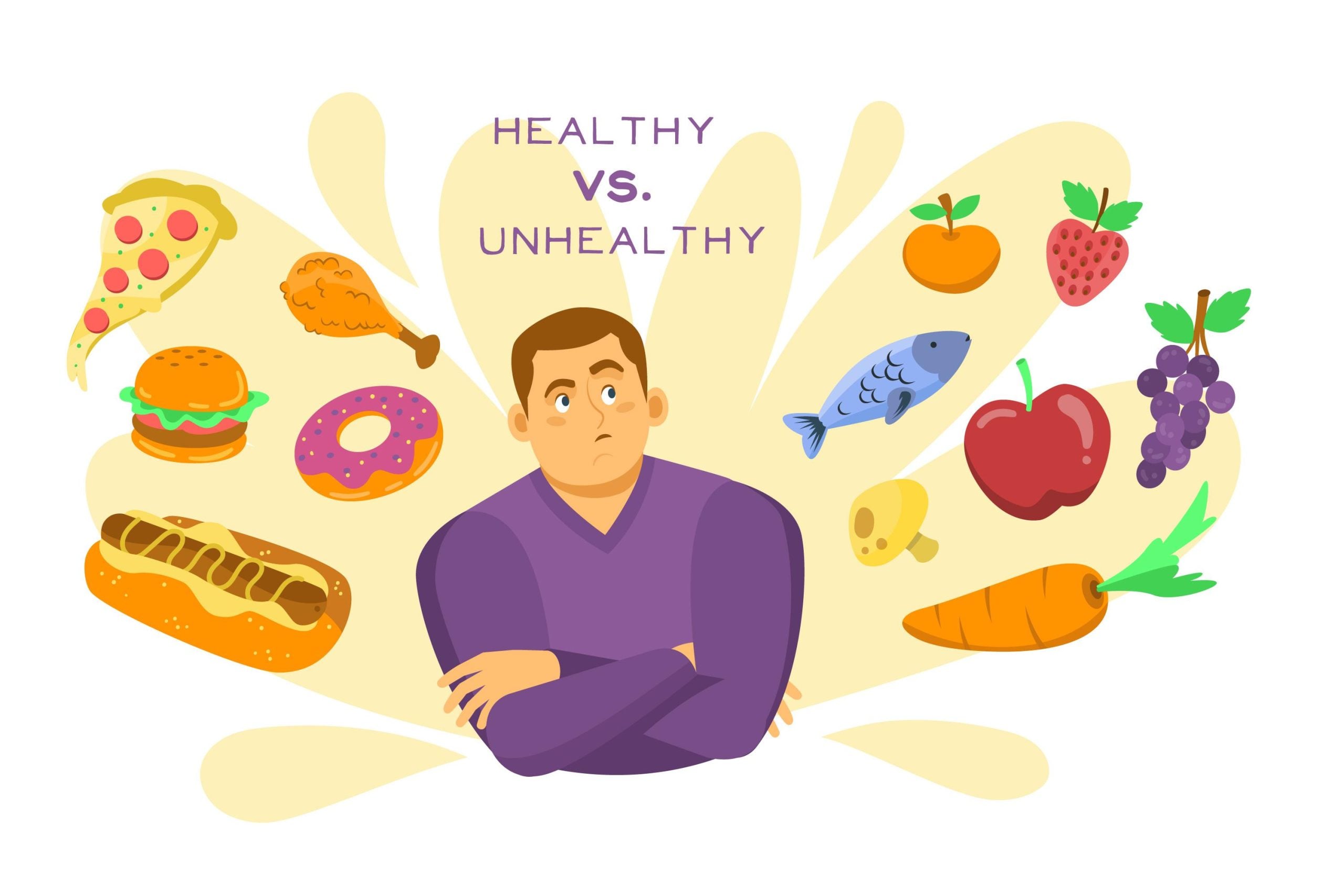
Modern diets are often rich in ultra-processed foods, which are easy to overeat. On the other hand, whole foods such as vegetables, fruits, and whole-grain products naturally reduce excess sugar and unhealthy fats while promoting healthy weight loss.
–Fibre matters
Complex carbohydrates or fibre-rich foods slow down the movement of food through the stomach, keeping us full for a longer time and preventing sudden insulin spikes.
–Limit sugar intake
Sugar and sugary drinks provide empty calories with little or no nutritional value. They simply add to the body’s calorie load and contribute to weight gain. Being mindful of sugar intake and cutting down unnecessary sugars in the diet is a small yet effective step towards weight loss.
-Manage stress and sleep well
High stress levels and lack of sleep are strong risk factors for weight gain. They disrupt hormones that regulate appetite and often lead to overindulgence in comfort foods. Chronic stress also increases cortisol levels, which promotes fat storage, particularly around the abdomen.
–Practise mindful eating
Eating nutritious food in a distraction-free environment helps us recognise our body’s satiety signals, which can prevent overeating.
–Stay hydrated
Hydration is often one of the most overlooked aspects of health. Drinking water about 30 minutes before meals may help reduce the quantity of food consumed.
–Regular physical activity
Regular physical activity keeps the body active and healthy while helping burn calories. Increased calorie expenditure plays an important role in supporting weight loss.