

Expert input: Sunita Tripathi, Clinical Nutrition Expert
Have you wondered why some people can eat whatever they want and not gain a pound, while others struggle to maintain their weight despite following the diet? The answer lies in our body type, which plays a significant role in how we metabolise food and how our body responds to different nutrients.
Delhi-based dietitian Sunita Tripathi explains:
A body type is not just way our body looks but it is also the way body responds to food and environmental factors. By understanding the body types ,one can find the best foods to eat for good health and wellbeing. While one body type might respond well with one kind of food, another might not respond so well. Eating for your body type is all about customising your meal plans to fit your unique nutritional needs for optimal health.
The idea of body type came from William Herbert Sheldon in 1940s,he developed word “somatotypes”. “Soma” is a Greek word for body. There are three main body types – ectomorph, mesomorph, and endomorph. Each body type has its characteristics and nutritional requirements. Ectomorphs are usually tall and lean with a fast metabolism, mesomorphs have a more muscular build with a moderate metabolism, while endomorphs tend to gain weight easily and have a slower metabolism. Knowing your body type can help you understand what kind of food you should be eating and what to avoid.
The Importance of Customised Meal Plans for Optimal Health
Customised meal plans are crucial for achieving optimal health because they take into account your individual needs. A one-size-fits-all approach to nutrition does not work because everyone’s body is different. Tripathi elaborates:
A personalised meal plan based on your body type can help to:
* Achieve Weight Goals: Whether it is sustainable weight loss, muscle gain, or healthy weight maintenance.
* Boost Energy Levels: By providing the right nutrients for your specific body type.
* Improve Metabolic Function: Supporting efficient nutrient processing and energy utilisation.
* Enhance Satiety: Eating foods that keep you fuller longer, reducing cravings.
* Support Overall Well-being: Beyond just weight, leading to better digestion, mood, and long-term health outcomes.
How to Determine Your Body Type and Create a Diet Plan
Determining your body type can be done through simple observation.
Mirror Test: Observe your overall frame, proportions, and where your body tends to store fat or build muscle.
* Wrist Measurement: A common, simple method. Wrap your thumb and middle finger around your opposite wrist.
* If they overlap: Likely ectomorphic.
* If they just touch: Likely mesomorphic.
* If they don’t touch: Likely endomorphic.
or by consulting a professional, says Tripathi. Once you have identified your body type, you can start creating a diet plan that focuses on the right balance of macronutrients. This will involve calculating your ideal calorie intake, protein, carbohydrate, and fat ratios.
The Role of Macronutrients in Body Type Nutrition
Macronutrients are essential for every body type, but the proportions vary. Ectomorphs need more carbohydrates to fuel their fast metabolism, mesomorphs require a balanced intake, and endomorphs benefit from a higher protein and lower carb diet to aid in weight loss. Understanding the role of macronutrients in your body type nutrition is key to creating an effective meal plan.
Meal Planning Tips for Each Body Type
When planning meals for your body type, it is important to focus on whole, nutrient-dense foods. Ectomorphs should prioritise high-energy foods like oats and sweet potatoes, mesomorphs should aim for a variety of lean proteins, grains, and vegetables, while endomorphs should incorporate more fibre-rich foods to help with satiety.
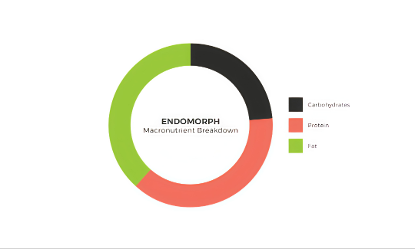
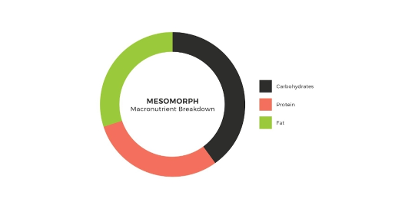
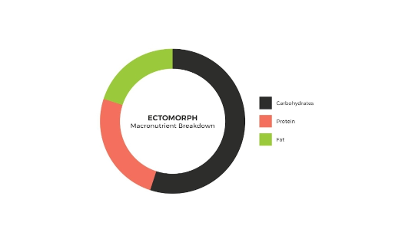
Source: International Sports Sciences Association (ISSA)
Common Mistakes to Avoid When Eating for Your Body Type
One common mistake is not consuming enough calories, especially for ectomorphs. Another mistake is ignoring the importance of meal timing and frequency. All body types should avoid overly restrictive diets that can lead to nutrient deficiencies and hinder overall health.
Aligning your eating habits with your body’s natural tendencies can unlock a multiple benefits which include:
* Better Weight Management.
* Increased Energy Levels.
* Improved Metabolic Function.
* Reduced Cravings.
* Enhanced Overall Health Outcomes: From better digestion to improved mood and long-term disease prevention
Following a body type-specific diet can lead to numerous benefits, including better weight management, increased energy levels, improved metabolic function, and overall better health outcomes. When you eat in alignment with your body’s natural tendencies, you are more likely to see positive results.