

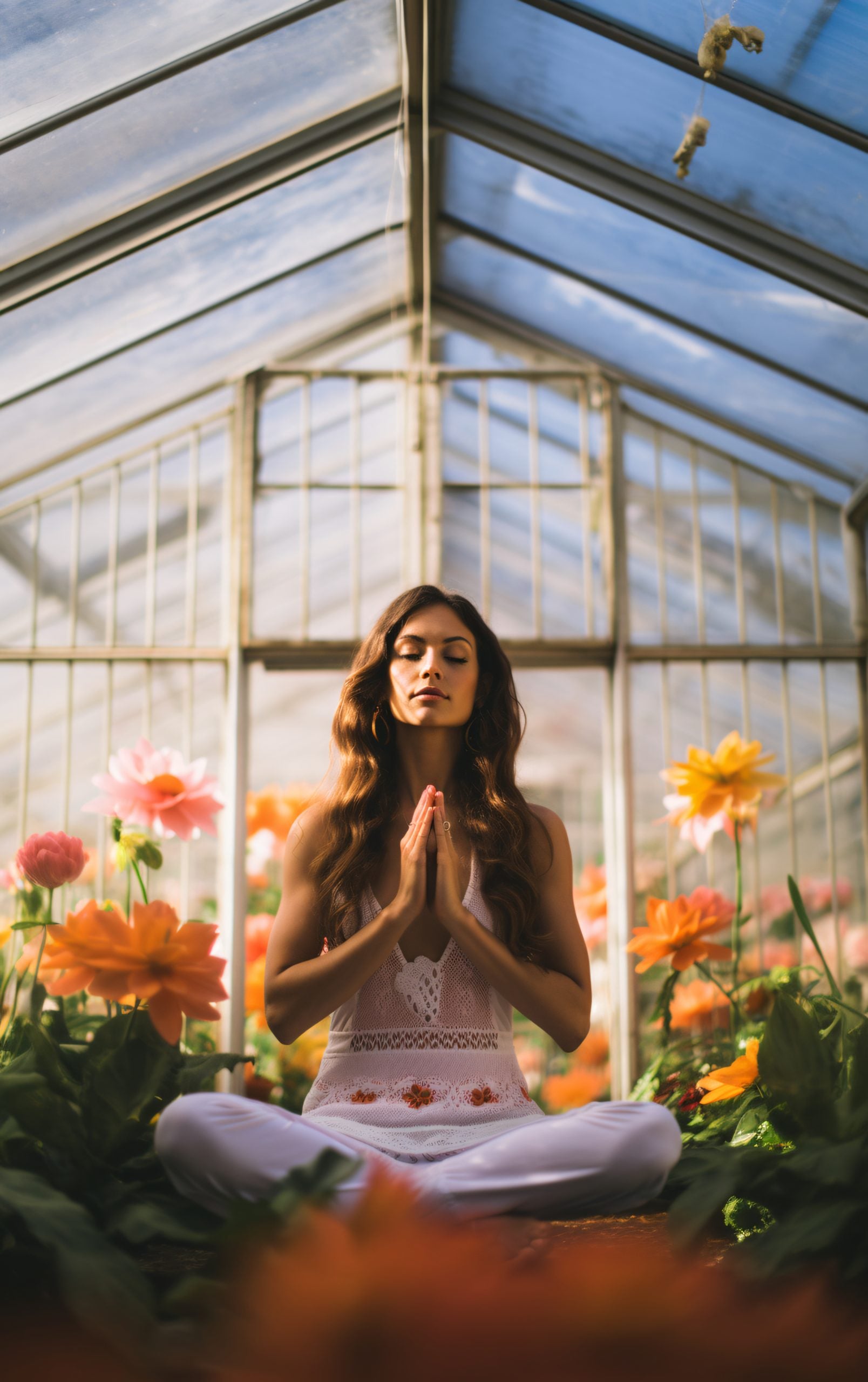
Chikitsa vaastu is a fascinating subject that I began exploring nearly 30 years ago, inspired by my experiences with chikitsa yoga as taught by Sri Krishnamacharya. To truly understand this concept, it is important to first delve into the roots of chikitsa yoga, which Sri Krishnamacharya divided into two key approaches– shakti krama and chikitsa krama. These terms are fundamental to grasping the deeper relationship between yoga, energy, and the built environment in Vaastu.
Shakti Krama: Building Energy and Stamina
In the world of yoga, shakti refers to power or energy, and shakti krama is designed to build this vital force. It focuses on increasing stamina, creativity, and staying power, making it particularly suitable for younger individuals, athletes, or even those in middle age who feel their energy levels declining. Through a structured course of asanas (yoga postures) and pranayama (breath control), practitioners can revitalise their energy, enhance vitality, and restore balance.
This approach is often complemented by ayurvedic principles. A balanced diet, gentle herbal medications like kashaya (decoctions), and adjustments to sleep and exercise routines help amplify the positive effects of shakti krama. This holistic approach addresses both the physical and energetic needs of the individual.
Chikitsa Krama: Gentle Healing and Recovery
On the other hand, chikitsa means therapy or healing. Chikitsa krama is a therapeutic approach aimed at individuals experiencing illness, fatigue, or a decline in their overall wellness. Unlike the rigorous, energy-building practices of shakti krama, chikitsa krama is gentle and compassionate, tailored to each person’s unique condition. This approach is ideal for individuals seeking to recover lost energy or improve their health. There is no pushing or challenging in this practice; instead, the focus is on restoring balance and well-being in a gradual and harmonious manner. Through this process, individuals can either reclaim the vitality they once had or experience a new sense of wellness that brings more meaning and joy into their lives.
Chikitsa Vaastu: Applying Yoga’s Principles to the Built Environment
Now, let us explore how these principles of chikitsa yoga apply to vaastu, the ancient science of architecture and design. Just as yoga deals with personal energy, vaastu addresses the energy of a built form and its capacity to nurture, sustain, and enhance the lives of its occupants. Both systems are rooted in the understanding that energy flows—whether in the human body or in a living space—are critical to overall well-being.
Traditionally, homes were designed with Vaastu principles in mind. These homes were more than just functional spaces; they were deeply connected to nature, climate, and family values. Built to last generations, these homes carried a rich legacy of family memories and were designed with elements that connected the past with the present—whether it was a photograph that reminded you of your grandfather or a kitchen utensil that brought back memories of your grandmother’s cooking.
The Balance of Traditional Homes
Traditional homes were not only aesthetically pleasing but also designed for comfort and wellness. Features like thicker walls for insulation, central courtyards for air circulation, and top-hung ventilators to remove hot air via the chimney effect made these homes ideal for their climate. Additionally, the materials used—such as clay, wood, and stone—were chosen for their ability to support a sense of harmony and well-being.
Despite lacking modern conveniences, many people still experience a sense of calm and wellness when they step into these old homes. This is because they were built with an understanding of vaastu principles, carefully proportioned and designed to create spaces that were pleasing to both the eye and the inner self.
The Shift in Modern Homes
Unfortunately, modern homes often lack this same balance and sense of wellness. Today’s houses are built with convenience and aesthetics in mind, prioritising gadgets and expensive art objects over energy flow and harmony. In essence, modern homes have become more like hotels—places designed for convenience rather than spaces that nurture emotional and physical well-being. The focus is no longer on whether the kitchen facilitates healthy, harmonious cooking but on whether it can accommodate the latest gadgets. People decorate their homes for Instagram, rather than considering how the space supports their health. As a result, many people are experiencing poor health, stress, and a lack of wellness, not only because of their lifestyle choices but also due to the energy imbalances in their living spaces.
Blaming Vaastu: A Quick Fix for Deeper Issues
When things go wrong, whether in life or in health, it has become common to blame vaastu. This is a relatively modern phenomenon, much like the tendency to seek quick fixes for health issues through surgery without addressing the underlying lifestyle problems. People assume that adjusting a door or moving a room will fix everything, just as they believe removing a problematic organ will solve all health issues. But real healing—whether physical or energetic—requires a deeper understanding of the interconnectedness of life.
In chikitsa vaastu, which we practice at Ritambhara, we make it clear to our clients that they must be active participants in the healing process. We do not offer magical solutions. Instead, we guide them through a structured process that involves analysing their home’s energy and helping them make lifestyle changes to restore balance and harmony. Here is how we do it:
The Chikitsa Vaastu Process: Restoring Wellness Through Space
We begin by examining the geometry of the home. The layout, ratios, and proportions of a space have a profound impact on both physical and intangible wellness. If there are violations in the design—such as the central point of the home (brahmasthanam) being blocked or missing important areas in the vaastu purusha mandala—we address these issues. Next, we evaluate the relationship between the plot and the building. This involves looking at the direction of entry, light, air circulation, and other factors that influence how the space interacts with the natural environment.
We also look for blocks in the occupants’ lifestyle that may be contributing to the energy imbalance in the home. These blocks often manifest over time but can be shifted with proper guidance. Homes that once felt joyous and harmonious can sometimes become places of anxiety and distress. This may be due to the natural cycles of life—highs and lows are inevitable for everyone—or because of external influences such as fear-based vaastu advice. It’s important to remember that there is no such thing as a “perfect” vaastu; many different designs can create wellness, and the spatial experience often matters more than the built form itself.
Finally, we teach our clients how to shift the energy field in their home using spiritual tools like sacred geometry, sacred sound, and ritual practices. This process takes time—typically a mandala cycle of 42 days—and requires dedication, but the results are transformative.
The Power of Chikitsa Vaastu
By the end of this 42-day cycle, clients often feel a deeper sense of joy, wellness, and empowerment. Chikitsa vaastu is not a quick fix but a gentle, compassionate process that helps people create homes that nurture both their physical and emotional well-being. Through active participation in their healing, individuals and families can transform their spaces into sanctuaries that support a life of health, joy, and meaning.